
Get Directions

Consult Doctors Online
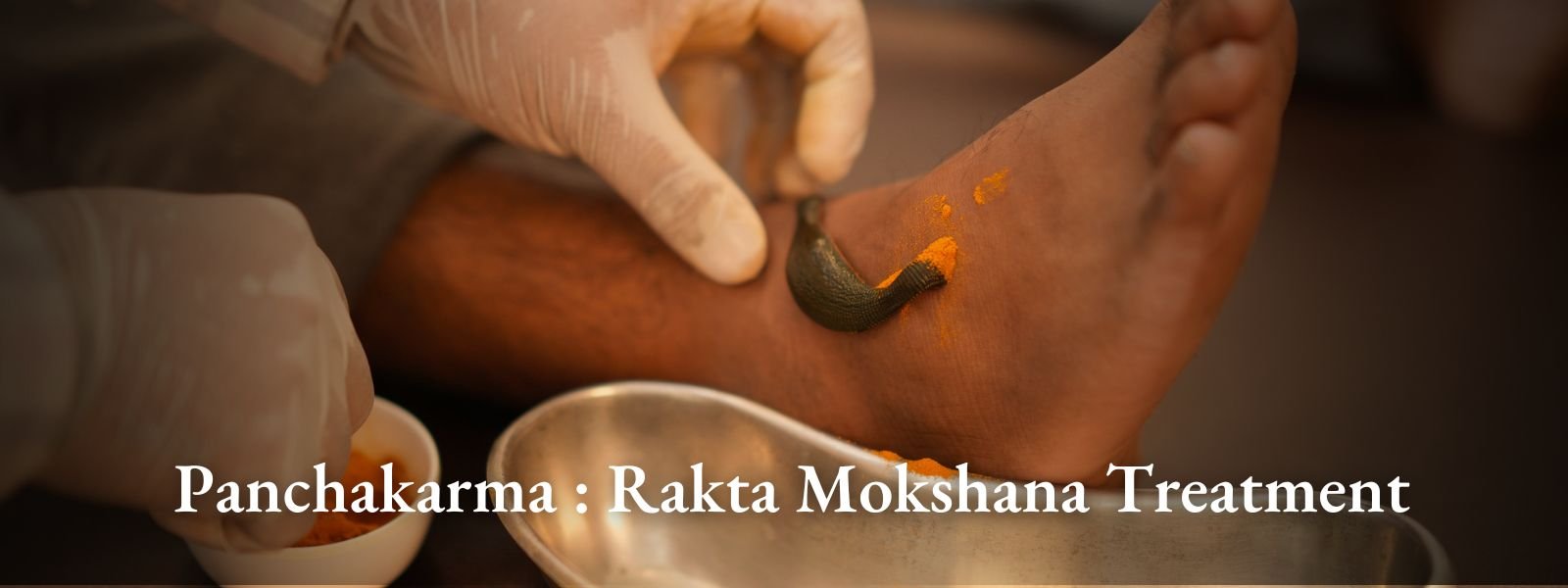
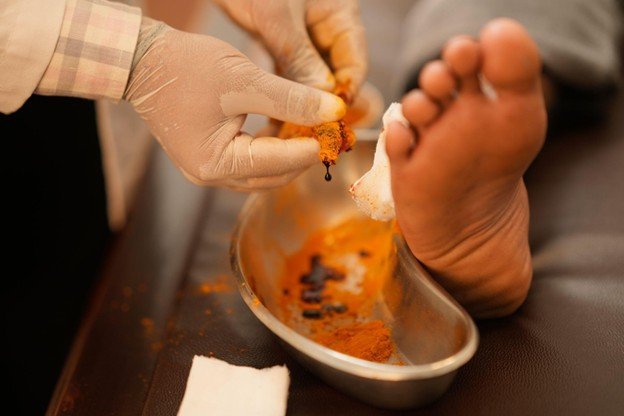
At the I-AIM Healthcare Centre, Raktamokshana treatment is a vital constituent of Para-surgical and Panchakarma therapy in Ayurveda. Rakta Mokshana literally means the release of impure blood. It is a specialized para-surgical procedure described in classical Ayurveda and is also closely associated with Panchakarma therapy. According to Ayurveda, when blood becomes vitiated—mainly due to aggravated Pitta and Raktha Dosha—it leads to various skin, inflammatory, acute and chronic disorders. Rakta Mokshana helps rectify this with a systematic approach.
Ayurveda considers blood as a vital tissue that nourishes the body. Improper diet, stress, infections, pollution, and lifestyle habits can contaminate blood, resulting in various disease conditions. Rakta Mokshana works by removing vitiated blood, allowing fresh blood to circulate and heal tissues naturally.
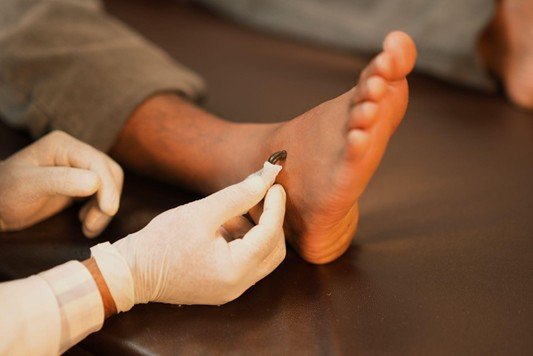
1. Siravedha (Venesection):
For THRI-DOSHA INVOVEMENT
Siravedha is the controlled puncture of a vein to remove impure blood. This method is commonly used to treat conditions like Varicose veins, acute and chronic severe pain conditions like sciatica, calcaneal spur, tennis elbow pain, high blood pressure, skin disorders. It helps in removing the stagnated and vitiated blood and balancing the body's internal systems.
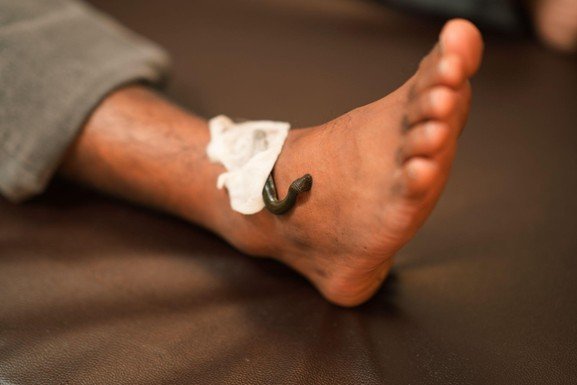
2. Jalauka Avacharana (Leech Therapy):
For PITHA INVOLVEMENT
Jalauka Avacharana involves using medicinal leeches to gently draw blood from the affected part of the body. The leeches release therapeutic enzymes from their saliva into the blood stream while sucking the blood - that not only purify the blood but also reduce swelling, inflammation, and promote healing. It is effective in treating various non healing ulcers, promotes blood circulation in complex conditions, various blood disorders, varicose veins, arthritis, skin conditions etc.
3. Prachchana:
Prachchana is a technique where multiple small, superficial pricks are made in the skin to initiate the superficial bleeding. This is often used for conditions like premature baldness, hair fall, skin eruptions, inflammation etc. It aids in local detoxification and supports the body's natural healing process by stimulating blood circulation.
4. Shringa Avacharana:
For VAATHA INVOLVEMENT
Shringa Avacharana is a traditional bloodletting technique that involves using an animal horn to draw blood. It is considered highly effective in treating muscle pain, inflammation and chronic blood disorders.
5. Alabu Avacharana:
For KAPHA INVOLVEMENT
Alabu Avacharana uses the suction power of a bottle gourd to extract impure blood from the body. The hollow gourd is placed on the skin, creating a vacuum that draws out blood. This method is particularly useful for cleansing the blood and treating certain pain conditions associated with stiffness and heaviness, inflammatory and benign swellings and certain skin conditions.
Should be performed only by a qualified Ayurvedic physician. Strict aseptic measures are essential. Certain blood tests are done as a precautionary. Blood quantity must be monitored and post-procedure care followed.
Assessment includes physical strength, digestion, mental stability, age, and disease condition. Only suitable patients are selected.
The Nasyam Panchkarma treatment is divided into three key stages to ensure a comprehensive and effective detox process. The procedure is tailored to your individual needs for maximum benefit.
Purva Karma (Preparation)
In Purva Karma, the body is prepared for bloodletting through a light diet and cleansing processes. This phase ensures that the body is detoxified and the digestive system is functioning optimally, allowing the bloodletting process to be more effective and safe.
Pradhana Karma (Main Procedure)
Pradhana Karma involves the controlled removal of blood using the selected Rakta Mokshana method, such as venesection, leech therapy, or prachchana. The aim is to remove the stagnated and vitiated blood, purify the blood, relieve internal toxins, and promote blood circulation and healing.
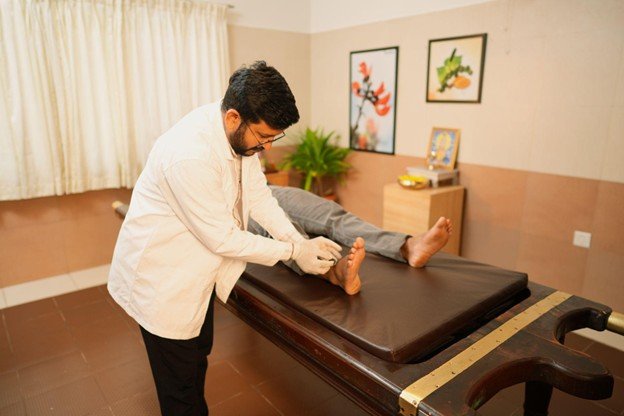
Paschat Karma (Post-Procedure Care)
Paschat Karma focuses on proper wound care, rest, and following specific dietary advice after the procedure. This phase ensures that the body heals well, restores energy, and rebalances the system. Proper care is essential to maintain the benefits of Rakta Mokshana and prevent any complications.
Rare if done properly. May include excessive bleeding, infection, fainting, or weakness.
Purifies Blood:
Rakta Mokshana helps detoxify the blood by removing accumulated toxins, promoting better circulation, and ensuring the overall health of body organs.
Reduces Inflammation:
By eliminating harmful substances from the bloodstream, this procedure effectively reduces inflammation, particularly in chronic conditions like arthritis and joint pain.
Accelerates Wound Healing:
The removal of toxins and improved circulation enhances the body’s natural healing process, speeding up the recovery of wounds and tissue damage.
Relieves Pain:
This treatment alleviates pain related to muscle stiffness, joint disorders, and other inflammatory conditions by reducing excess heat and improving circulation.
Prevents Recurrence:
By addressing the root causes of conditions like skin eruptions or chronic pain, Rakta Mokshana prevents recurrence, offering long-term benefits for the body’s natural balance.
Enhances Vitality:
By improving blood quality and overall circulation, this treatment boosts energy levels, helping individuals feel revitalized and more energetic.
“For one who desires longevity the teachings of Ayurveda, serve as the foundation and as a means for achieving the harmonious balance of health, wealth, and happiness by dharma.”
74/2, Jarakabande kaval, Yelahanka, Via Attur post, Bengaluru - 560064
Mon-Fri: 9am-5pm, Sat: 10am-4pm,
Sun: 10am-2pm
Home
About Us
Services
Facilities
Contact Us
2026 I-AIM Healthcare Centre. All rights Reserved | Read the I-AIM Healthcare Centre Payment Terms & Conditions, Privacy Policy, Refund & Cancellation Policy.