


What is Virechana Therapy?
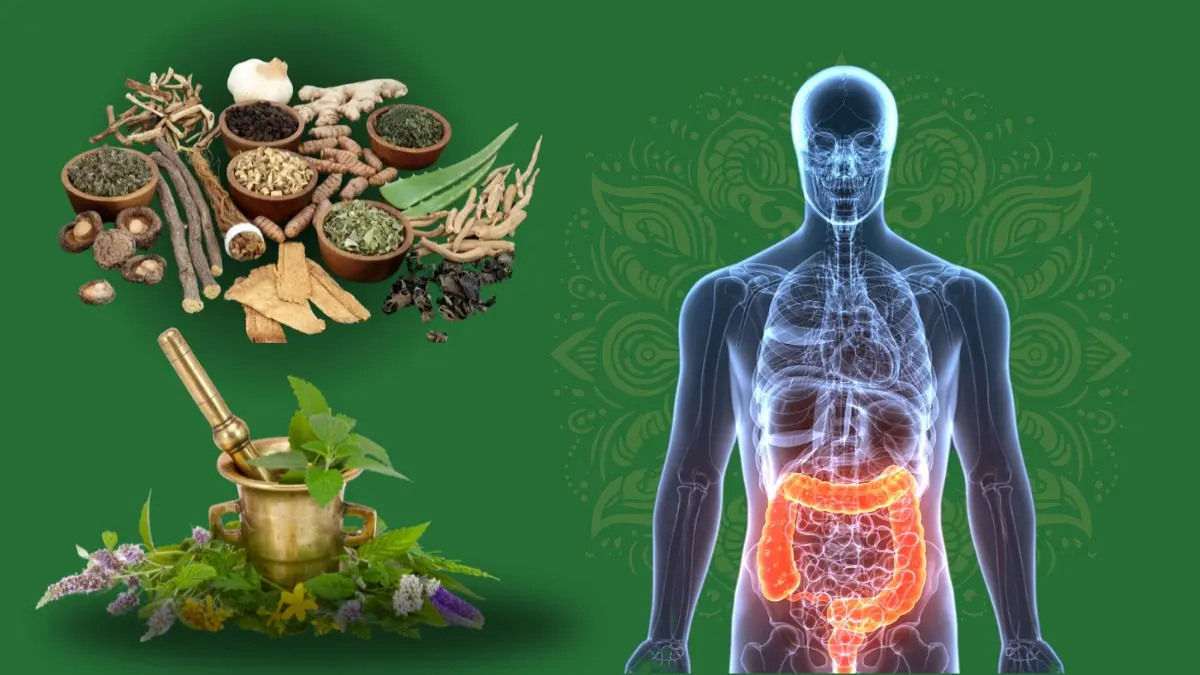
Virechana is controlled therapeutic purgation. It pulls out excess Pitta and built-up toxins sitting in your liver, gallbladder, and small intestine. One of five Panchakarma procedures in classical Ayurveda, and probably the most misunderstood one. People hear “purgation” and panic. But it’s a carefully staged process, not something random.
According to I-AIM Healthcare Centre, Ayurveda Hospital in Bangalore,
“Virechana works best when the body’s been properly prepared through internal oleation and sweating over several consecutive days.”
What conditions does Virechana therapy address?
Not every health problem needs Virechana. It works specifically on Pitta-dominant conditions, and your physician figures out the intensity based on how deep the imbalance runs.
- Skin disorders: Psoriasis, eczema, stubborn acne. These don’t just sit on the surface. Aggravated Pitta in the blood drives them, and Virechana clears that internal fire instead of just calming what you see on skin
- Liver trouble: Bile flow slows down when you’ve been eating processed food for years or popping too many painkillers. This procedure goes after hepatic pathways directly. No shortcuts
- Hyperacidity: You’ve tried antacids. They helped for a week. Then the burning came back. That pattern usually means the Pitta imbalance sits deeper in the GI tract than any tablet can reach
- Metabolic buildup: High cholesterol, fatty liver starting to show on reports, weight stuck around the midsection. Virechana resets fat metabolism at cellular level, which is why the results tend to hold longer than diet changes alone
Here’s what most people skip. Getting assessed for your Prakriti and Vikriti first actually decides whether Virechana or a different Panchakarma procedure makes sense for your body.
How is Virechana therapy performed step by step?
- Snehapana: Medicated ghee in increasing doses, 3 to 7 days straight. Sounds odd, but the ghee loosens toxins from tissues so they can actually move. Your doctor watches for specific signs that tell them oleation’s done
- Swedana: Steam therapy comes next. Full body. Opens up tissue channels and pushes those loosened toxins toward your gastrointestinal tract where they can be flushed out
- Purgation day: One herbal formulation triggers the evacuation. And yes, your Ayurvedic physician sits through it monitoring every round. Colour, consistency, frequency. That’s how they know when the body’s actually clean
- Samsarjana Krama: Post-purgation diet. Thin rice water first, then slowly building back up over 3 to 7 days. Because eating a masala dosa the next morning would undo everything you just went through
Results aren’t instant for everyone. But clearer skin, lighter stomach, better energy. Most people report that within the first week itself. Read more about the benefits of Panchakarma.
Why Choose I-AIM Healthcare Centre?
I-AIM Healthcare Centre is NABH-accredited with 100 beds and over 20 Vaidyas who’ve done this hundreds of times. Every Virechana protocol follows classical Charaka Samhita guidelines. Modern diagnostics back it up, so nothing’s guesswork.
People who’ve bounced between dermatologists and gastro doctors for years come here and actually see their reports change after supervised Virechana. That’s the difference proper clinical monitoring makes. Call 7204377000 to book your consultation.
FAQ
How many days does Virechana treatment take?
The full protocol typically requires 8 to 15 days including preparation.
Is Virechana painful or uncomfortable?
Most patients experience mild cramping but no significant pain during purgation.
Can Virechana help with chronic skin problems?
Yes, it directly addresses Pitta-driven conditions like psoriasis and eczema.
Who should avoid Virechana therapy?
Pregnant women, young children, and severely debilitated patients should not undergo it.
References
