


Ayurvedic Kidney Stone Management — When Basti Replaces Lithotripsy?
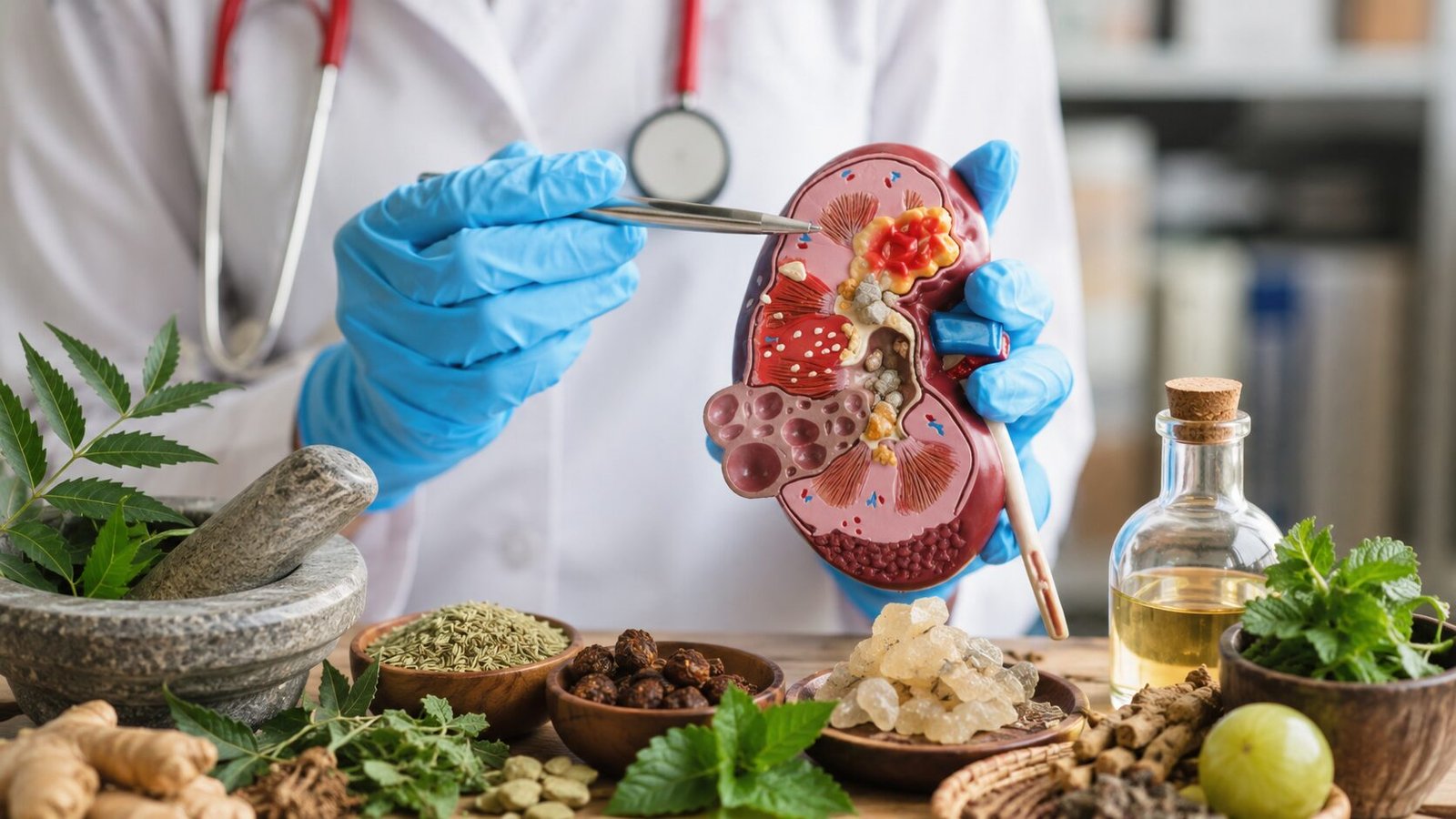
Kidney stones below 8mm have a reasonable chance of passing on their own. Above that threshold, urology moves toward lithotripsy or ureteroscopy. What neither option addresses is why the stone formed in the first place and why it often forms again within five years. Ayurveda calls kidney stones Mutrashmari, a condition of crystallised metabolic waste produced by deranged Vata, Pitta, or Kapha in the urinary channels. The stone type calcium oxalate, uric acid, struvite, or cystine maps directly onto which dosha is driving the formation. Treatment targets both the existing stone and the metabolic environment producing it.
According to I-AIM Healthcare Centre, Ayurveda Hospital in Bangalore, “Lithotripsy fragments the stone. It does not correct the urinary pH, the oxalate metabolism, or the Vata-Pitta imbalance that crystallised it. Ayurvedic management dissolves what is present and corrects what caused it.”
Recurring stones despite lithotripsy? Book Appointment
When does Ayurveda replace lithotripsy — and when does it not?
This distinction matters clinically. Ayurvedic management is not appropriate for all stone presentations.
- Below 8mm — dissolution is possible: Pashanabheda, Varuna, Gokshura, and Punarnava work as lithotriptics they alter urinary pH, increase urine flow, and reduce crystal aggregation. Stones in this size range in the renal pelvis or upper ureter respond well to a structured 4 to 6 week herbal protocol combined with Basti
- Calcium oxalate stones — Pitta-Vata type: High urinary oxalate reflects impaired Pitta metabolism. Herbal formulations targeting oxalate excretion Shilajit, Hajrul Yahood Bhasma, and Gokshuradi Guggulu combined with dietary correction reduce both stone size and recurrence rate
- Uric acid stones — Vata type: Associated with dehydration, low urinary pH, and high purine intake. Respond fastest to Ayurvedic management because uric acid crystals dissolve readily when urinary pH is corrected. Punarnava Mandura and alkalising diet normalise pH within weeks
- Above 10mm or causing obstruction — refer for lithotripsy first: Ayurveda does not attempt to dissolve stones causing hydronephrosis, infection, or complete ureteric obstruction. These need urological intervention. Ayurvedic treatment begins after the acute obstruction is cleared to prevent recurrence
Nephrology at I-AIM integrates Ayurvedic stone management with modern ultrasound monitoring, urinary biochemistry, and urology referral pathways when needed.
How does Basti work specifically for kidney stone management?
Basti is not the only tool here but it is the most targeted one for the lower urinary tract Vata pattern driving stone formation.
- Uttara Basti for direct urinary tract action: A specialised Basti administered into the urethra or bladder using Gokshura Kashaya or Varuna-based decoction. It reduces mucosal inflammation, improves urine flow through the ureters, and creates a local environment hostile to crystal aggregation. For stones already in the lower ureter or bladder, this is the most direct Ayurvedic intervention available
- Niruha Basti for systemic Vata correction: Dashmoola Kashaya-based colon enema corrects the systemic Vata imbalance that creates the dry, crystallising environment in the kidney tubules. Kidney stone recurrence in Vata-type patients is largely a function of this systemic dryness Niruha Basti addresses it from the root
- Anuvasana Basti for tissue nourishment: Medicated oil enemas with Ksheerabala Taila nourish the renal tubular tissue and restore the urinary mucosa’s natural protective function. Patients with recurrent stones often have depleted tubular epithelium that aggravates crystal attachment
- Internal medicines running parallel: Cystone, Gokshuradi Guggulu, Varuna Churna, and Chandraprabha Vati are commonly prescribed alongside the Basti course. Urinary output is increased, pH is monitored, and stone size is tracked with repeat ultrasound at 4 and 8 weeks
Read about Basti Karma for Rheumatoid Arthritis to understand how the same Basti framework applies across different systemic Vata conditions.
Why Choose I-AIM Healthcare Centre
I-AIM is NABH-accredited with an integrated nephrology and Panchakarma setup that allows stone size tracking, urinary biochemistry, and Ayurvedic treatment to run in parallel. No guesswork about whether the stone is responding — ultrasound confirms it.
A patient with a 6.5mm right renal pelvis calcium oxalate stone, second recurrence in three years, came in after the urologist recommended lithotripsy. After a 6-week outpatient protocol of Pashanabheda, Gokshuradi Guggulu, dietary oxalate restriction, and two Niruha Basti sessions, the repeat ultrasound showed the stone had reduced to 3.2mm and passed spontaneously by week eight. First recurrence-free year in a decade.
Read more about I-AIM Healthcare Centre. Call 7204377000 to book your consultation.
Frequently Asked Questions
What size kidney stone can Ayurveda dissolve?
Stones below 8mm in the renal pelvis or upper ureter have the best response to Ayurvedic dissolution protocols. Stones between 8mm and 10mm may partially reduce with treatment. Above 10mm or causing obstruction, urological intervention is recommended first.
How long does Ayurvedic treatment for kidney stones take?
A standard outpatient protocol runs 4 to 6 weeks with repeat ultrasound at week four to assess stone response. Inpatient Basti-based protocols for recurrent stone formers typically run 14 to 21 days.
Does Ayurvedic treatment prevent kidney stones from recurring?
ecurrence prevention is where Ayurveda delivers the strongest outcome. By correcting urinary pH, oxalate metabolism, Pitta-Vata imbalance, and dietary triggers, the metabolic environment that crystallised the stone is changed. Recurrence rates drop significantly when post-treatment dietary discipline is maintained.
Can Ayurvedic kidney stone treatment be done alongside allopathic medication?
Yes. Herbal formulations used for Mutrashmari are generally safe alongside standard urological medications. The physician reviews all current medications before prescribing to avoid any interaction with kidney-excreted drugs.
References
- Ayurvedic management of urinary calculi — NCBI / PubMed
- WHO Traditional Medicine Strategy — World Health Organization
