
Consult Doctors Online
Teleconsultation
Consult Doctors Online
Have you noticed swelling on your feet that lingers longer than usual, foamy urine in the morning, or a creatinine number in your blood report that has slowly started creeping up? Kidney issues rarely arrive loudly. They show up as small, easy-to-miss signals that most people brush aside until a routine report flag something serious.
While modern medicine offers urgent intervention, Ayurveda takes a deeper, slower route. It works on calming inflammation in the kidney channels, balancing Vata, clearing accumulated Ama, supporting filtration, and rebuilding the deeper tissues for long-term renal wellness.
If you’re looking for trusted Ayurvedic treatment for kidney in Bangalore, I-AIM Healthcare Centre stands out as a credible, NABH-accredited destination in North Bengaluru. From early-stage concerns to long-term CKD support, every patient receives a personalized plan shaped around their reports, dosha, and lifestyle, ensuring authentic, evidence-based, and compassionate care.
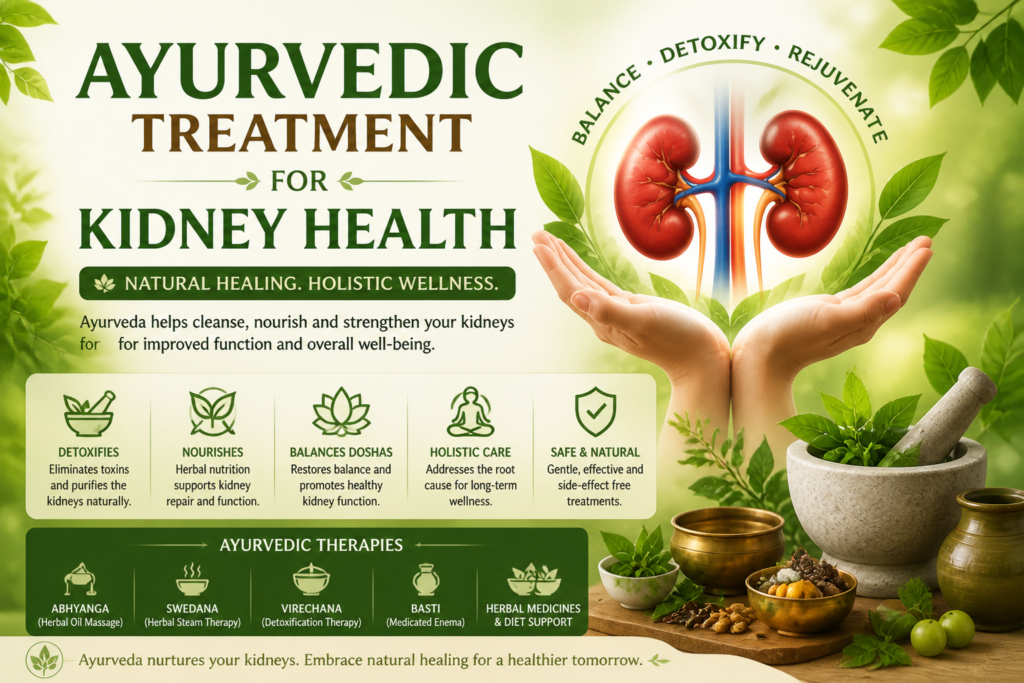
Wondering whether your specific kidney concern can be supported through Ayurveda? Let’s explore the most common conditions handled at the centre.
Slow, gradual decline in kidney function. Ayurveda focuses on protecting whatever function is still active and slowing further damage.
When years of diabetes start affecting kidney filtration. One of the most common reasons people walk into the centre.
Long-standing high blood pressure quietly straining the kidneys. Often discovered late.
Repeated urinary infections that keep coming back despite multiple antibiotic courses. Especially common in women.
Smaller stones, recurring stones, and post-procedure recovery, all supported with classical formulations and lifestyle correction.
Especially in younger patients dealing with persistent protein loss in urine and stubborn swelling.
Long-term, supportive care to slow progression and protect overall renal function.
Patients on regular dialysis who want supportive Ayurvedic care to reduce fatigue, improve appetite, and maintain quality of life.
For complex or layered cases, kidney care is often paired with Panchakarma therapies for deeper detoxification.
Are the small changes you have been ignoring could actually be kidney-related? Let’s discover the early signs most people miss.
Foamy Urine Often the very first sign of protein leakage. Easy to dismiss as normal, often is not.
Swelling in Feet, Ankles, or Face Especially when you wake up with puffiness that takes hours to settle.
Frequent Night Urination Waking up two or three times at night, every night, deserves a check.
Constant Fatigue When your sleep is fine but the energy never returns. Kidneys play a quiet role in this.
Itchy or Dry Skin Linked to toxin buildup that the kidneys are struggling to clear.
Loss of Appetite. Especially if accompanied by a metallic taste or mild nausea.

High Blood Pressure That Is Not Settling BP that no longer responds well to medication is sometimes a kidney signal.
Lower Back Pain or Heaviness Persistent dull ache around the lower back, just below the rib area.
Burning or Painful Urination Especially recurring episodes that keep returning.
Rising Creatinine in Reports. Even a small upward shift across consecutive tests deserves attention.
Most of these signs are easy to miss individually. Together, they often tell a clearer story.
Noticed any of these signs? Reach out to an experienced specialist for an honest, calm assessment.
Curious about how Ayurveda actually works on something as silent as kidney health? Let’s dive into how the system thinks about it.
In classical Ayurveda, the kidneys are linked to Mutravaha Srotas, the urinary channel, and to the deeper Ashthi and Majja tissues. Imbalanced Vata, blocked channels, and accumulated Ama are usually behind most kidney decline. The work in Ayurveda is not loud or aggressive. It is patient, slow, and structured.
The treatment focuses on a few clear goals. Calm the inflammation that is quietly damaging the filtering tissue. Improve circulation to the kidneys so they get the support they need. Clear the channels of toxin buildup. And rebuild the deeper tissues, so function stabilizes over time. Diet, water intake, salt patterns, sleep cycles, and stress all play a role and are addressed alongside the herbal formulations.
Most patients see this approach for the first time when they walk in. Kidney care is not just a medicine list. It is a daily routine, gently corrected.
That is what makes Ayurvedic kidney treatment a long, supportive arc rather than a short fix.
Curious about the specific therapies used in Ayurvedic treatment for kidney in Bangalore? Let’s explore the main ones offered at I-AIM.
Classical formulations like Punarnavadi Kashayam, Gokshuradi Guggulu, and Varunadi Kashayam, chosen based on dosha and report findings.
Medicated enema therapy that works deep on Vata-related kidney imbalance and supports waste clearance. Read more about Basti therapy.
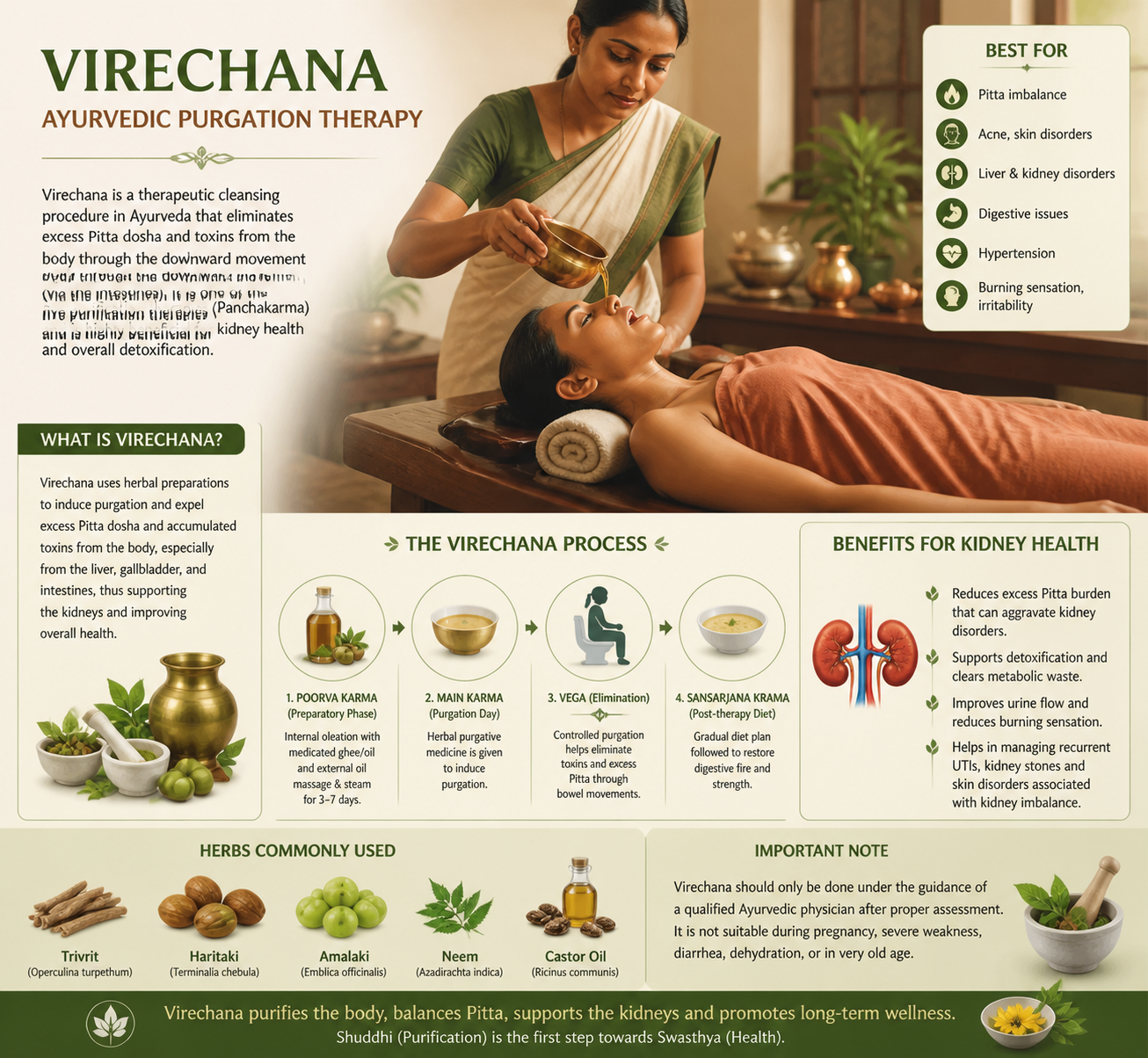
A supervised cleansing therapy that helps reduce internal toxin load when condition and reports allow it.
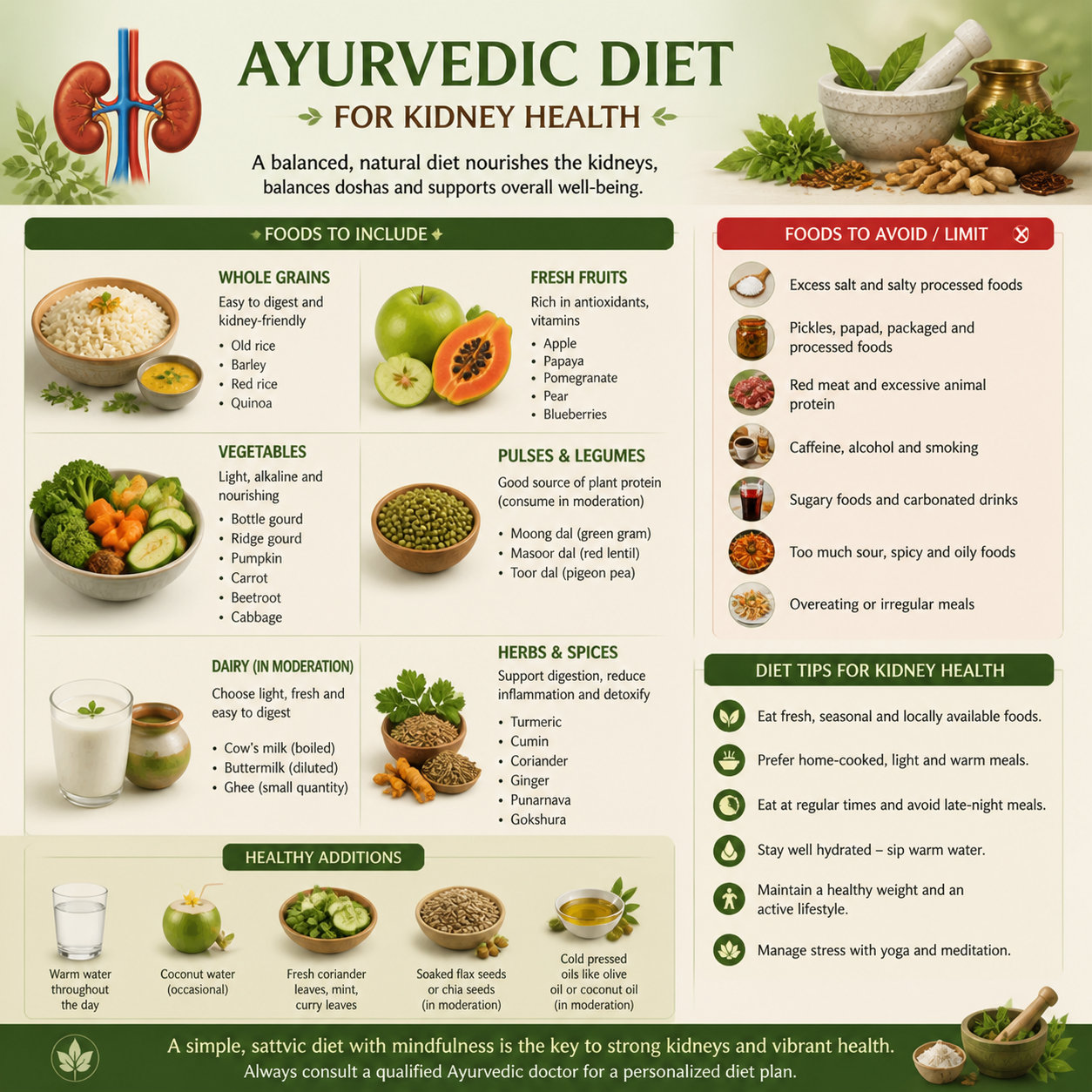
Salt levels, protein quantity, fluid intake, fruit choices, all guided based on the patient's reports and dosha. This step alone changes outcomes for many.
Cortisol, BP, and kidney health are tied closely together. The plan addresses all three rather than treating them separately.
Slow, supportive rejuvenation using formulations like Chyawanprash, Punarnava Mandura, and similar tissue-strengthening preparations.
Modern blood, urine, and imaging reports are reviewed alongside Ayurvedic assessment. Care is decided by both, not just one.
Where dialysis is already part of the patient's life, Ayurvedic care focuses on energy, appetite, sleep, and quality of life around it.
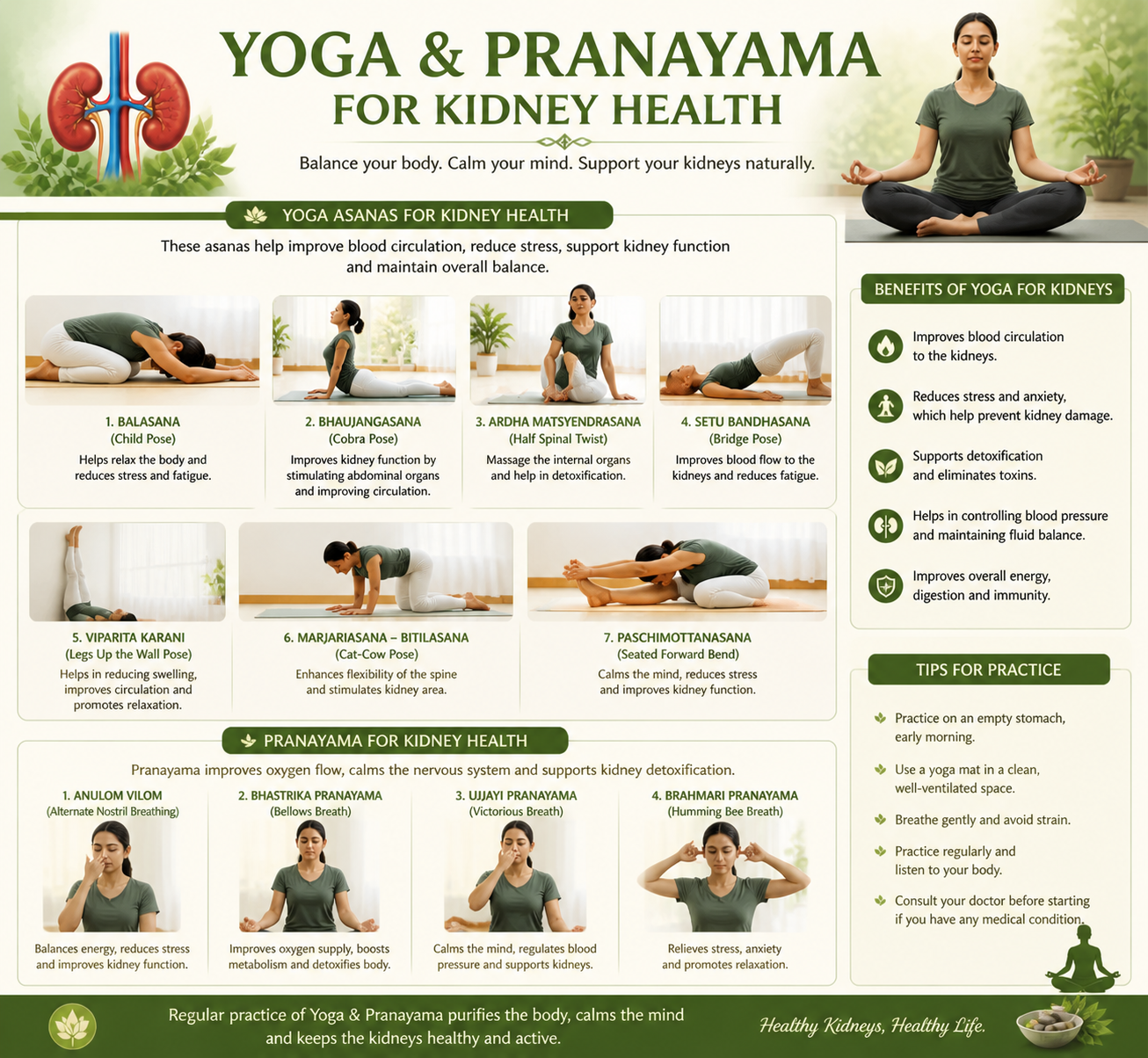
Gentle asanas, breathing practices like Anulom Vilom and Bhramari, and short meditation routines that calm the nervous system.
For longer-term care, these therapies plug into a broader nephrology service plan reviewed at regular checkpoints.
Want to know which therapy fits your case? Consult with an expert for a tailored plan.
What really matters when choosing an Ayurvedic kidney hospital? Let’s explore what sets I-AIM apart.
Real clinical, hygiene, and patient-safety standards. Not just signage.
Doctors with deep clinical experience in long-term kidney care.
Dedicated, classical setup with trained therapists who know how to work safely on kidney patients.
People travel from many countries for kidney support and integrative care here.
Authentic Ayurveda alongside modern diagnostics, internal medicine inputs, physiotherapy, and yoga. The patient's needs decide the mix.
Built around dosha, age, current reports, and lifestyle. No two CKD patients leave with the same prescription.
Active research collaborations with leading universities and scientific institutions.
Ayurveda for kidney issues is a long road. The team tells patients exactly what to expect.
For anyone genuinely looking for an Ayurvedic hospital in Bangalore that handles kidney treatment with depth, structure, and seriousness, this is the kind of place that holds up.
It cannot promise a complete reversal in advanced stages, but it strongly supports kidney function, slows progression, and improves daily quality of life.
Yes, when prescribed by a qualified Vaidya based on reports. Self-medication is never advisable in kidney conditions.
Not at all. Ayurveda works alongside ongoing medication. Adjustments, if needed, are made slowly with the help of your physician.
Yes. All types of kidney stones, recurring stones, and post-procedure recovery are all handled with specific formulations and dietary correction.
When prescribed appropriately, yes. The Vaidya decides based on the patient’s reports and stage.
Disclaimer: The information shared in this content is for educational purposes and not for promotional use.

“For one who desires longevity the teachings of Ayurveda, serve as the foundation and as a means for achieving the harmonious balance of health, wealth, and happiness by dharma.”
74/2, Jarakabande kaval, Yelahanka, Via Attur post, Bengaluru - 560064
Mon-Fri: 9am-5pm, Sat: 10am-4pm,
Sun: 10am-2pm
Home
About Us
Services
Facilities
Contact Us
2026 I-AIM Healthcare Centre. All rights Reserved | Read the I-AIM Healthcare Centre Payment Terms & Conditions, Privacy Policy, Refund & Cancellation Policy.