

Ulcerative Colitis and Pittaja Grahani: Oleation First?
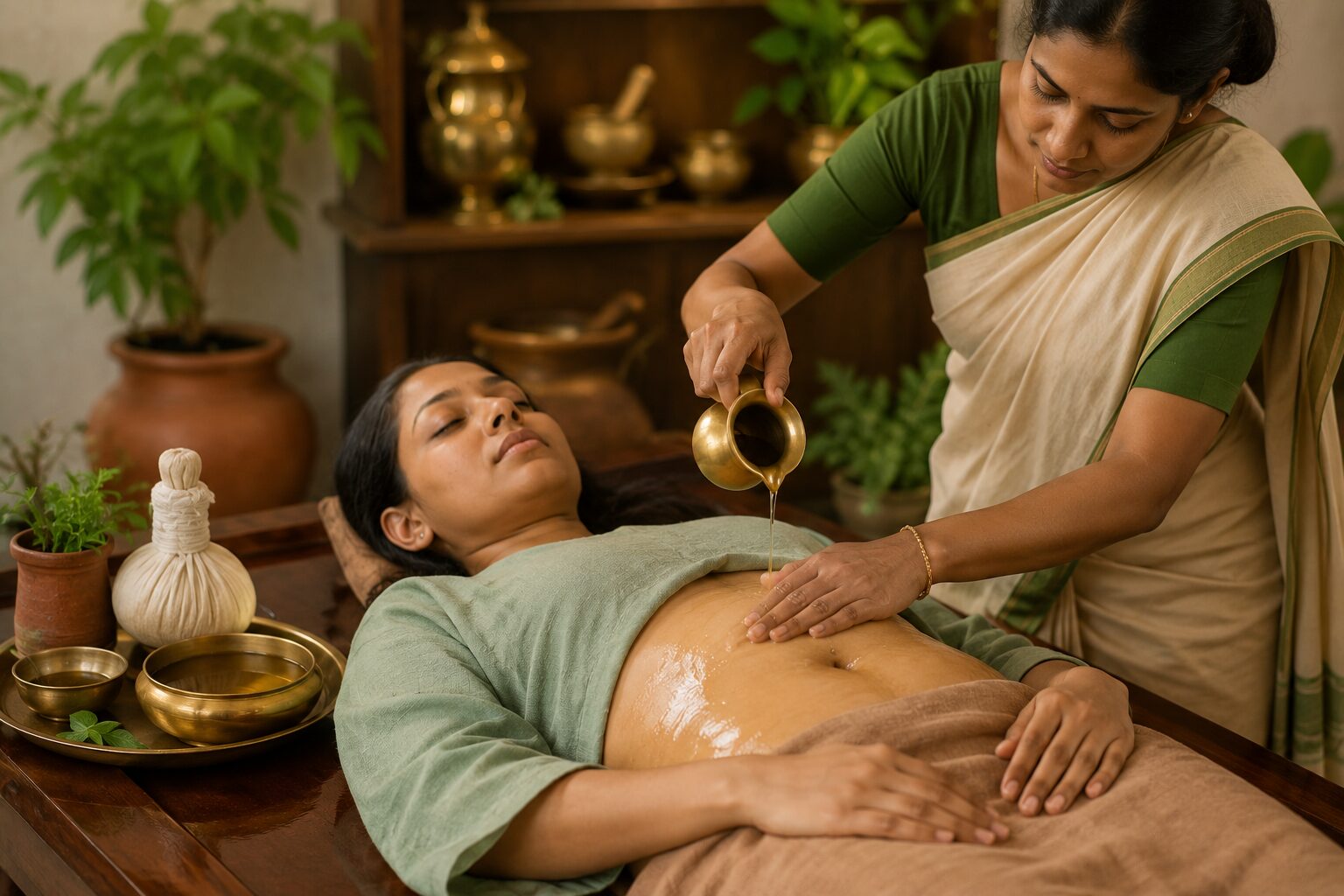
Ulcerative colitis flares can feel like they come out of nowhere, cramping, bleeding, urgency, and a colon lining that’s clearly inflamed on every scope. Ayurveda groups this under Pittaja Grahani, a Pitta-driven disorder of the small intestine and colon, and treats it with a very specific sequence. Cleansing therapies don’t come first. Internal oleation does, and skipping that step is considered a real mistake in classical practice.
According to I-AIM Healthcare Centre, Ayurveda Hospital in Bangalore, “Jumping straight to cleansing or binding therapies on an already inflamed, burning gut lining can do more harm than good. Oleation soothes that mucosa and pacifies the aggravated Vata hiding underneath the Pitta first, that is the difference between preparing the gut for treatment and shocking it further.”
Why Cleansing Therapy Too Soon Can:
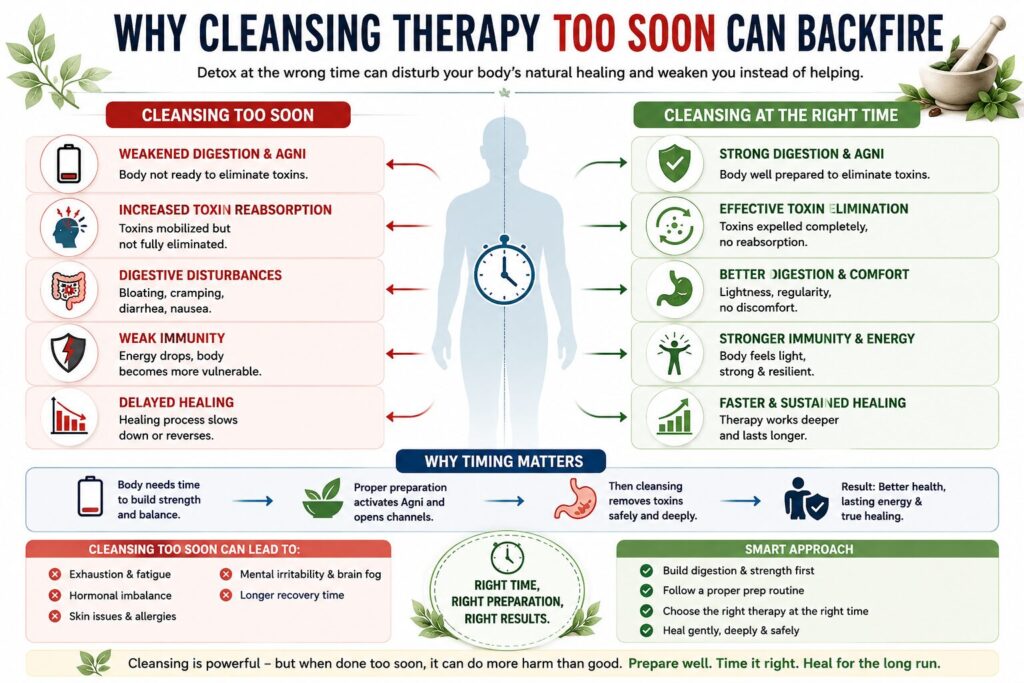
Cleansing therapies are most effective when the body is properly prepared. Starting them too early before digestion (Agni) is strong and toxins are ready to be eliminated can lead to fatigue, digestive discomfort, weaker immunity, and slower recovery. Proper preparation helps the body respond better, making cleansing safer, more effective, and more beneficial in the long term.
I-AIM’s gastroenterology department evaluates both layers before deciding on a sequence, checking disease severity alongside a proper Pitta-Vata assessment rather than moving straight to a standard protocol.
How Oleation-First Treatment Actually Works
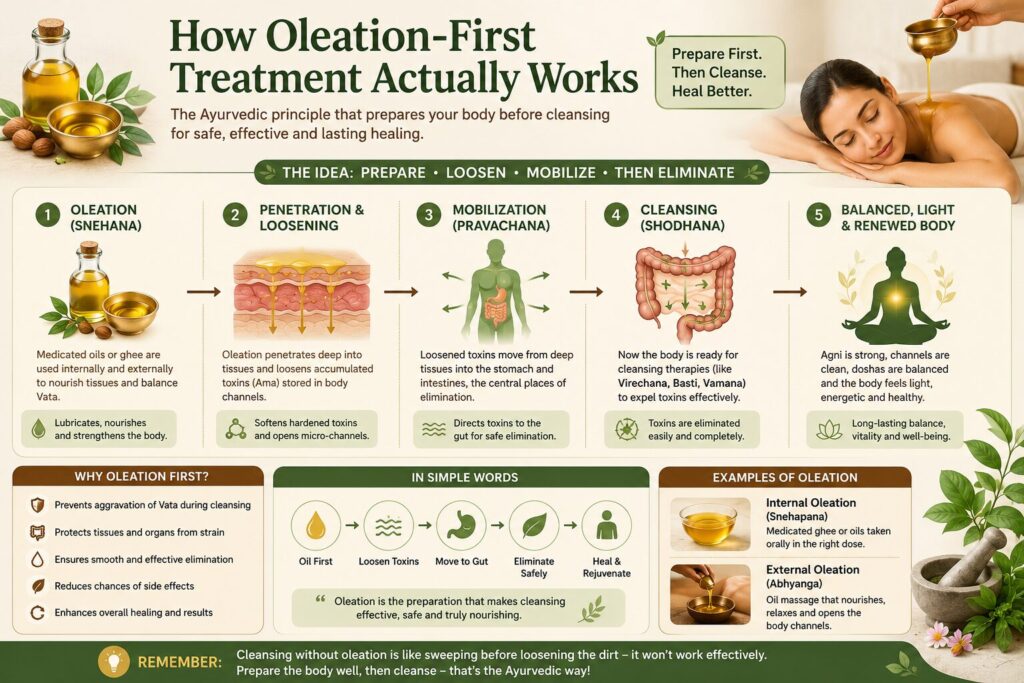
Oleation (Snehana) is the first step in Ayurvedic cleansing. Medicated oils or ghee help loosen and mobilize toxins (Ama), preparing the body for safe and effective elimination through cleansing therapies. This preparation supports better digestion, protects tissues, and promotes smoother recovery with long-lasting health benefits. For more on Ayurveda’s approach to anorectal conditions, our earlier post on Kshar Sutra for fistula covers a related parasurgical technique.
Why Choose I-AIM Healthcare Centre
I-AIM is a NABH-accredited hospital in North Bengaluru,, and its gastroenterology team treats ulcerative colitis with a staged protocol, oleation before cleansing, diet correction throughout, rather than applying the same sequence to every patient regardless of severity. Treatment plans are also reviewed alongside the patient’s existing gastroenterologist wherever one is already involved, so lab markers and medication changes stay part of the picture rather than being managed in isolation. This coordinated approach is especially valuable for patients dealing with frequent flares who need something that works with their current care, not around it.
FAQs
Can Ayurvedic treatment replace my current UC medication?
No. It’s used as a complementary approach alongside your gastroenterologist’s care, not a substitute for it, especially during active flares.
Is oleation safe during an active bleeding flare?
It’s generally chosen specifically because it’s gentle enough for inflamed tissue, but your physician will assess severity first.
How long before symptoms improve?
Case reports show meaningful improvement within 4 to 6 weeks, though this varies a lot with disease severity and consistency of diet.
Why not just start with the cleansing therapy directly?
Because the inflamed gut lining needs to be soothed and stabilized first. Skipping that step is considered likely to aggravate symptoms rather than resolve them.
References
- Ayurvedic Management of Ulcerative Colitis (Pittaja Grahani): A Case Report — International Journal of Research in Ayurveda and Pharmacy
- Ayurvedic Management of Ulcerative Colitis: A Case Report — GSC Advanced Research and Reviews
Desclaimer:
This article is for informational purposes only and does not constitute medical advice. Ulcerative colitis is a serious condition. Please consult a qualified Ayurvedic physician and continue your gastroenterologist’s care before making any treatment changes.