Get Directions

 📞 Call Now
 Consult Doctors Online
Pain, injuries, limited movement, and difficulty performing daily activities can significantly affect a person’s quality of life. Whether it is recovery after surgery, sports injuries, neurological conditions, or age-related mobility issues, proper rehabilitation plays an important role in restoring strength and independence. Physiotherapy and rehabilitation help improve movement, reduce pain, rebuild muscle strength, and support faster recovery through personalized therapies.
I-AIM Healthcare Centre, a leading Ayurvedic Hospital in Bangalore, provides comprehensive physiotherapy and rehabilitation solutions designed to support individuals at different stages of recovery. With a focus on holistic healing, the centre combines therapeutic techniques with personalized care plans to help patients regain mobility, improve function, and achieve better health outcomes.
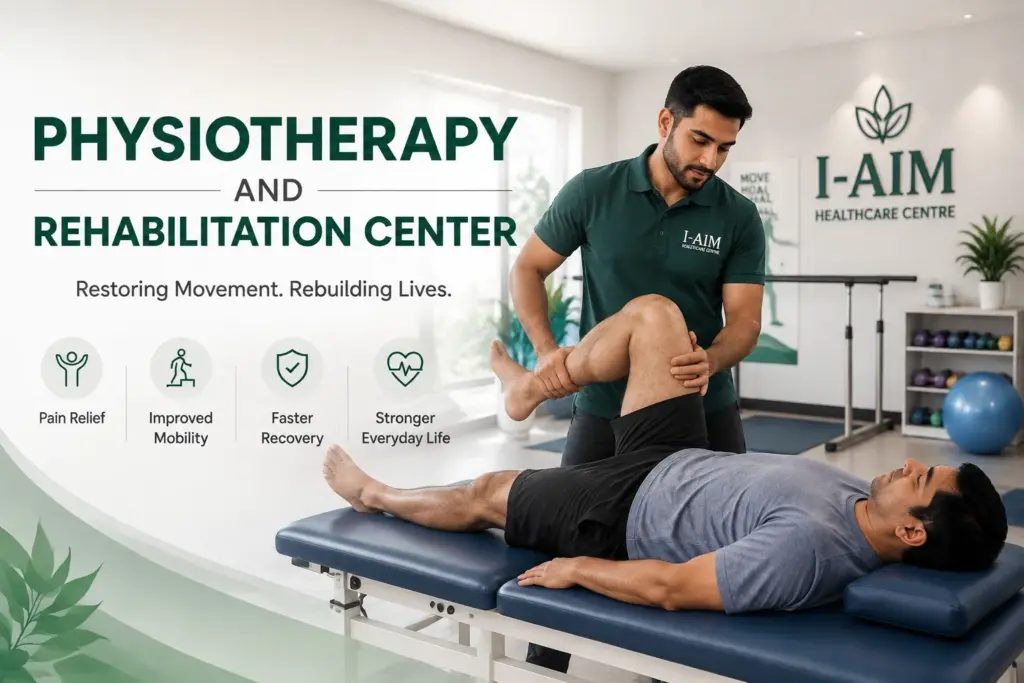
At I-AIM’s Physiotherapy and Rehabilitation Center in Bangalore, patients receive evidence-based therapies and integrative healthcare solutions. With experienced professionals, advanced facilities, and a patient-focused approach, I-AIM provides customized rehabilitation programs for musculoskeletal, neurological, post-surgical, and chronic health conditions. I-AIM also follows an integrated approach that combines modern rehabilitation techniques with holistic wellness practices.
How can physiotherapy help you recover and regain strength? Let’s explore how rehabilitation supports better movement, healing, and overall wellness.
Physiotherapy is a healthcare approach that uses exercises, manual techniques, and specialized therapies to improve physical function, reduce pain, and restore mobility. It helps individuals recover from injuries, surgeries, chronic conditions, and movement-related problems.
Rehabilitation is a broader process that focuses on helping patients regain independence after an illness, injury, or medical procedure. It includes physical therapy, strength training, mobility exercises, and lifestyle guidance based on individual needs.
At I-AIM’s Physiotherapy Centre in Bangalore, rehabilitation programs are designed after assessing the patient’s condition, limitations, and recovery goals. The aim is not only to manage symptoms but also to improve long-term physical function and quality of life.
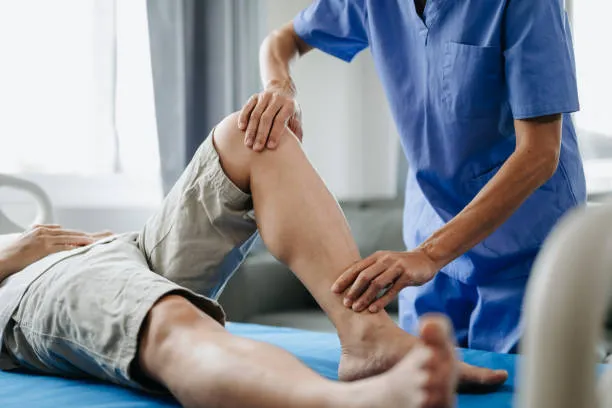
Struggling with pain or difficulty in movement? Let’s explore the conditions where physiotherapy and rehabilitation can make a difference.
At I-AIM Healthcare Centre, personalized rehabilitation programs are offered for various conditions, including:
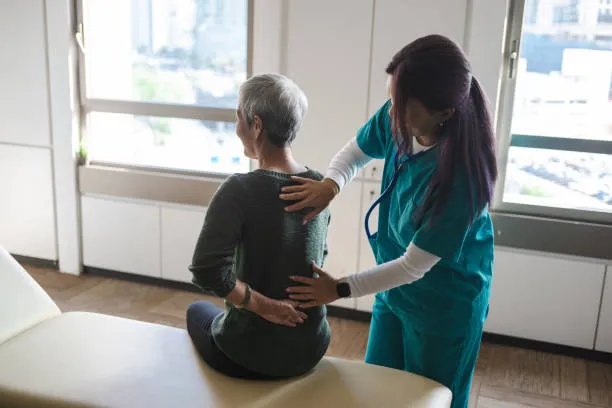
Physiotherapy helps manage musculoskeletal concerns such as back pain, neck pain, arthritis, ligament injuries, fractures, joint stiffness, and postural problems.
![Physical therapist helps a man with a knee brace practice stepping with a cane in a bright rehabilitation clinic with exercise equipment nearby, such as balls and mats.] ,](https://iaimhealthcare.org/wp-content/uploads/2026/08/PhysiotherapyRehabilitation-centre.webp)
Rehabilitation supports recovery after orthopedic procedures, joint replacement surgeries, and other medical interventions by improving strength, flexibility, and functional movement.
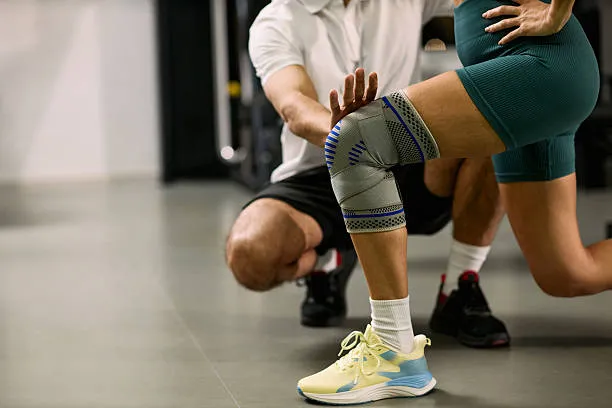
Customized rehabilitation programs help athletes recover from sprains, muscle injuries, ligament tears, and sports-related conditions while preventing future injuries.
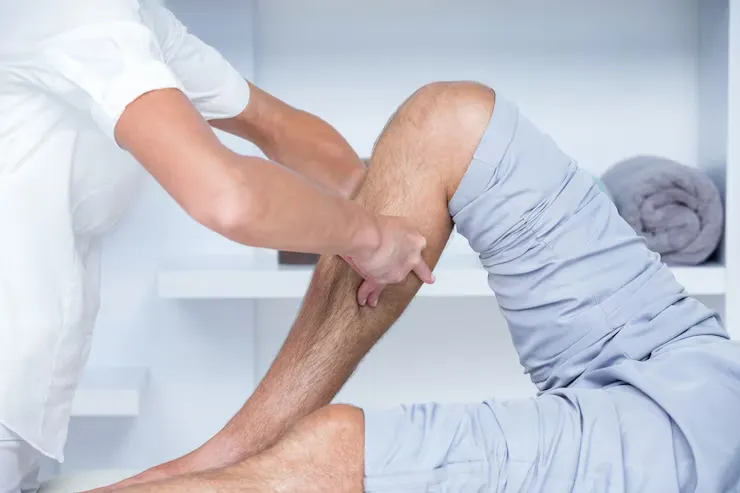
Physiotherapy helps individuals manage inflammatory and autoimmune conditions such as rheumatoid arthritis, ankylosing spondylitis, and other joint-related disorders by improving mobility and reducing discomfort.
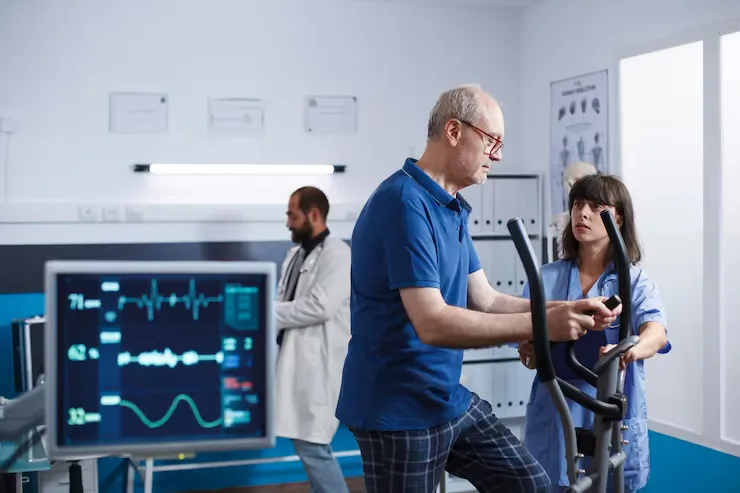
Rehabilitation programs support individuals with heart and lung conditions by improving breathing capacity, endurance, exercise tolerance, and overall physical function.
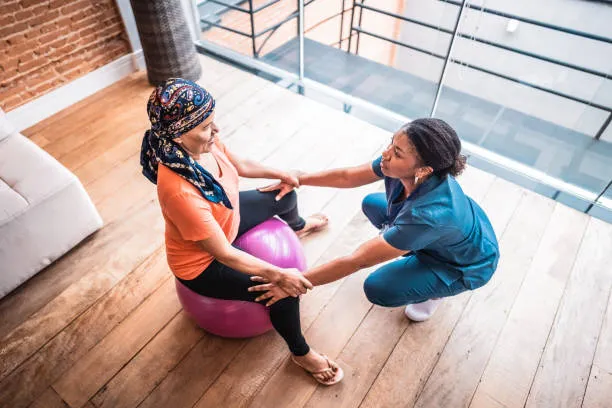
Cancer rehabilitation focuses on improving strength, managing fatigue, restoring mobility, and supporting quality of life during and after cancer treatment.
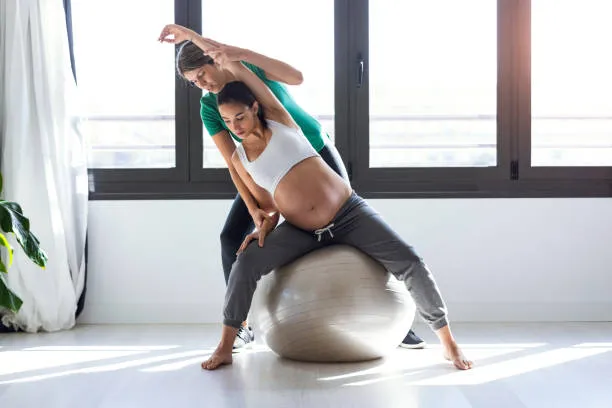
Specialized physiotherapy supports women during pregnancy and after childbirth by addressing posture-related discomfort, pelvic floor concerns, muscle weakness, and recovery needs.
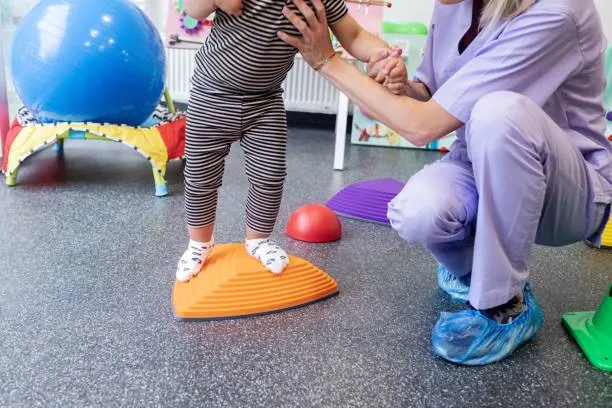
Pediatric physiotherapy helps children with developmental delays, movement difficulties, neurological conditions, and musculoskeletal concerns improve strength, coordination, and functional abilities.
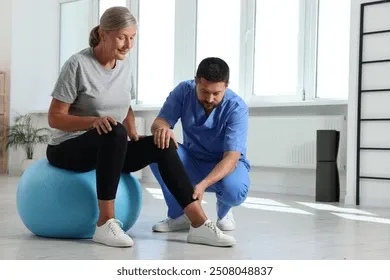
Physiotherapy helps elderly individuals maintain balance, flexibility, strength, and confidence in daily activities.
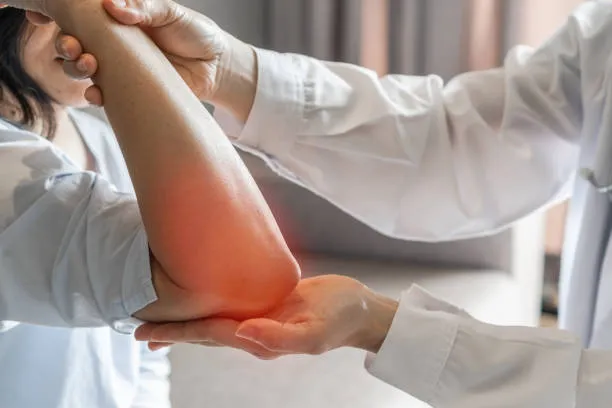
Therapeutic exercises and pain management techniques help individuals manage long-term discomfort and improve daily functioning.
Looking for professional support for pain relief and recovery? Connect with a specialist and get a personalized treatment plan.
Need targeted physiotherapy in Bangalore for your recovery goals? Let’s discover the services designed to improve movement and function.
An experienced acupuncture doctor in Bangalore at I-AIM may use acupuncture as part of a treatment plan for various conditions, including:
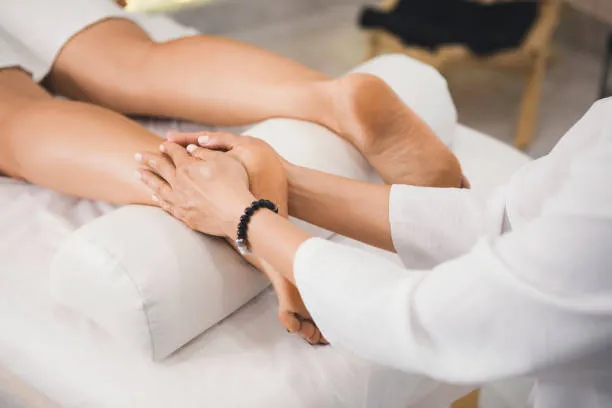
Hands-on techniques help improve joint mobility, reduce stiffness, relieve pain, and enhance movement patterns.
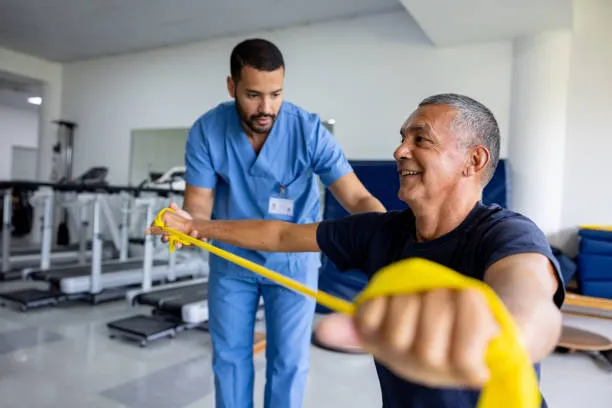
Customized strengthening and flexibility exercises improve muscle function, endurance, and physical performance.
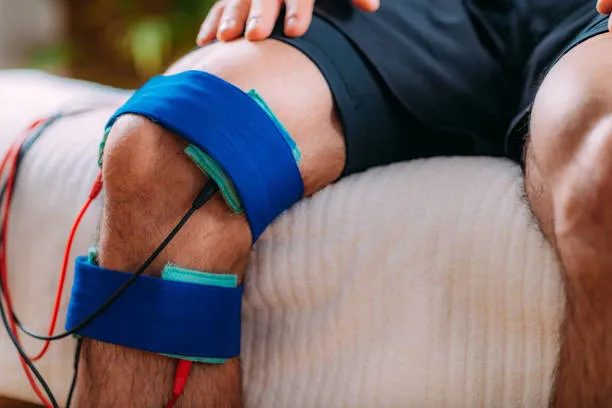
A specialized electrotherapy technique that helps manage pain, reduce muscle spasm, and improve circulation.
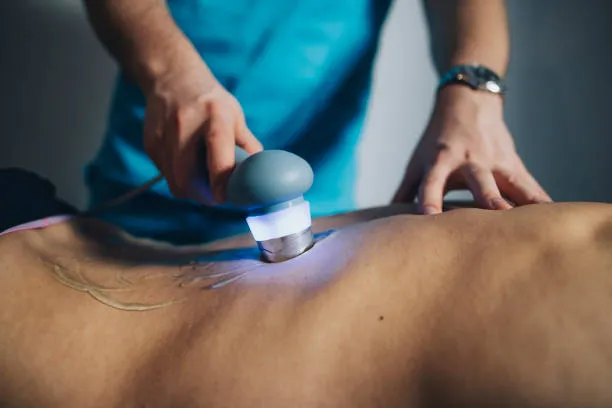
Uses therapeutic ultrasound waves to support soft tissue healing, reduce inflammation, and improve recovery.
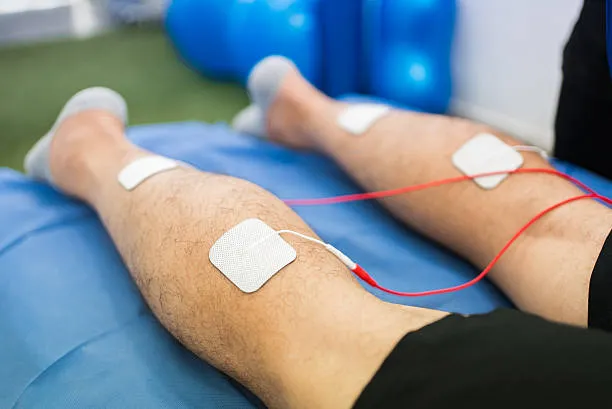
Advanced electrical stimulation techniques help manage pain, improve muscle activation, and support rehabilitation.
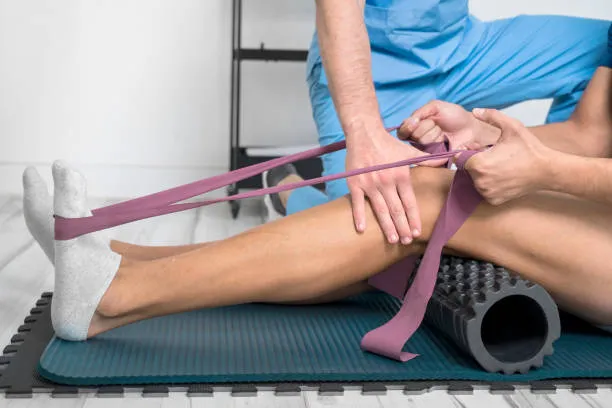
Structured rehabilitation programs support recovery after surgeries and help patients return to daily activities.
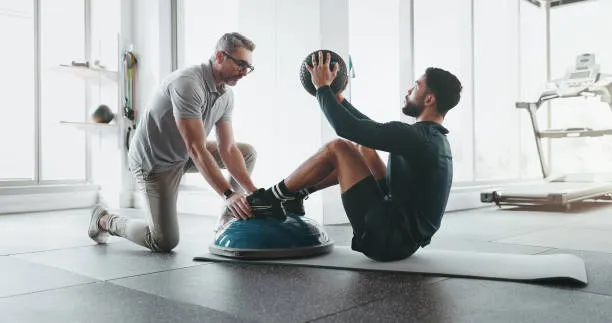
Focused therapies help athletes recover safely from injuries and return to their activities.
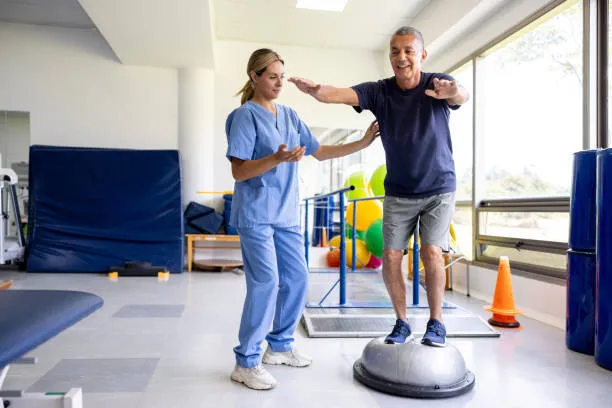
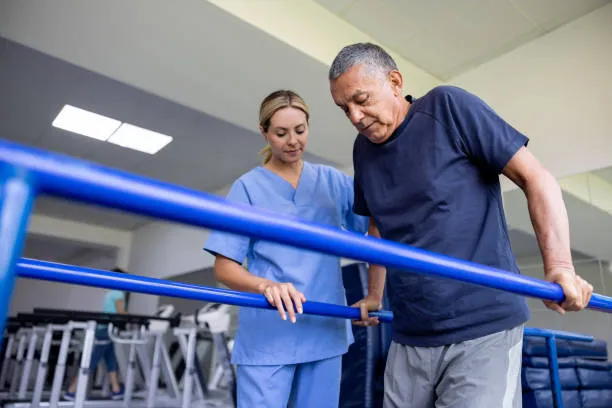
Improves coordination, stability, and confidence in movement, especially for elderly individuals and neurological patients.
May support conditions related to menstrual discomfort and hormonal balance.
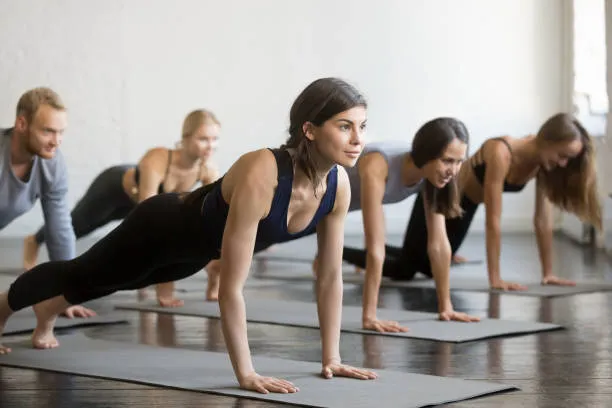
Helps improve muscle strength, endurance, and overall physical performance.
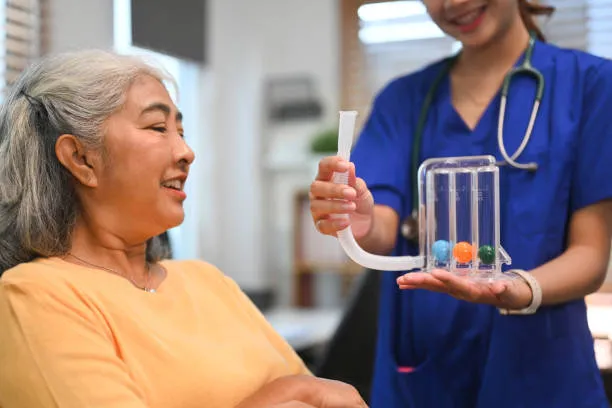
Supports individuals with respiratory and cardiac conditions by improving lung capacity and exercise tolerance.
Every recovery journey is different, isn’t it? Let’s explore how personalized rehabilitation programs support long-term improvement.
The rehabilitation programs at I-AIM Healthcare Centre are designed according to each patient’s health condition and recovery goals.
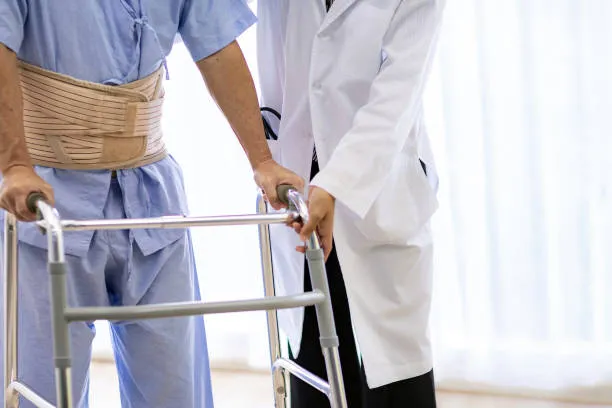
Helps patients regain strength, mobility, and confidence after surgical procedures.
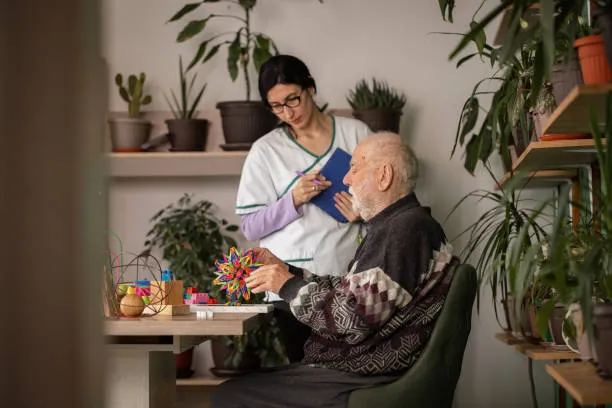
Supports patients with conditions such as stroke, spinal cord injuries, Parkinson’s disease, and MND through mobility training, functional exercises, and coordination improvement.
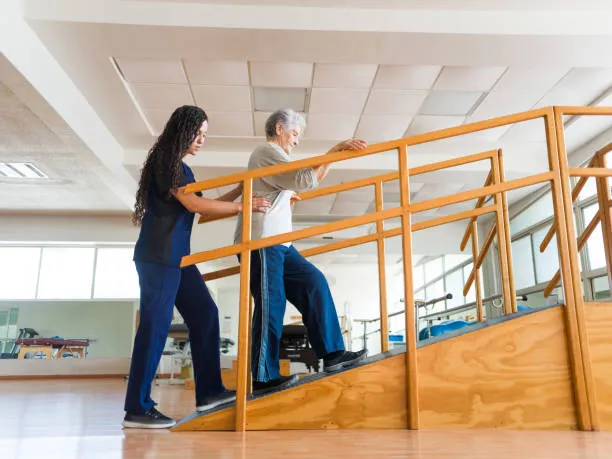
Helps elderly individuals maintain independence by improving balance, strength, flexibility, and daily functioning.
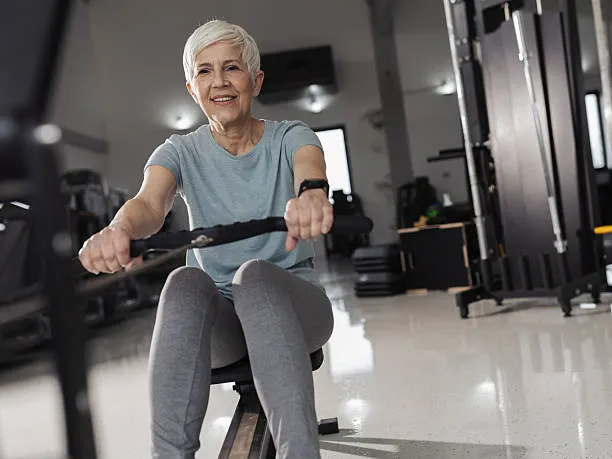
Supports recovery for individuals with heart and lung conditions through supervised exercises and endurance training.
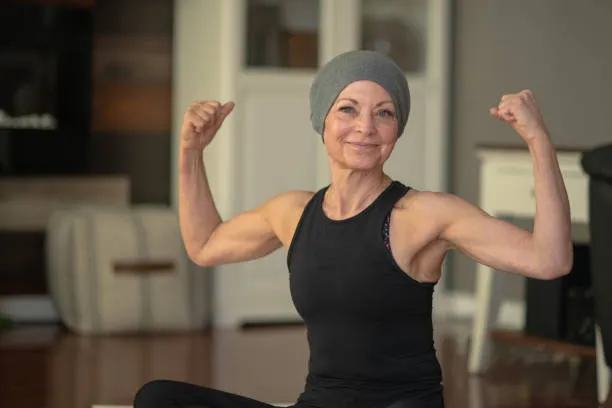
Helps cancer patients manage treatment-related fatigue, weakness, and mobility challenges while improving overall quality of life.
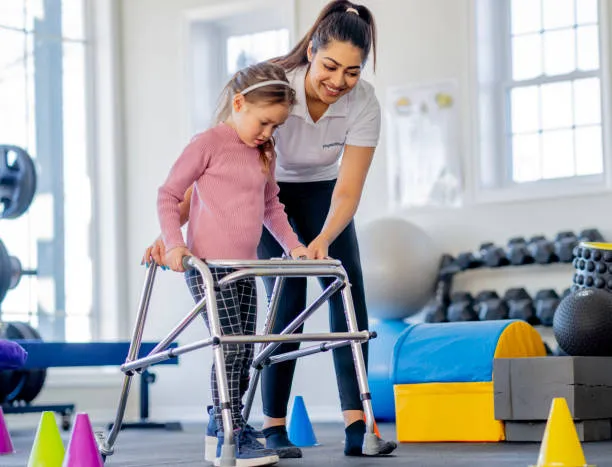
Provides supportive therapies to improve movement, coordination, and functional skills in children.
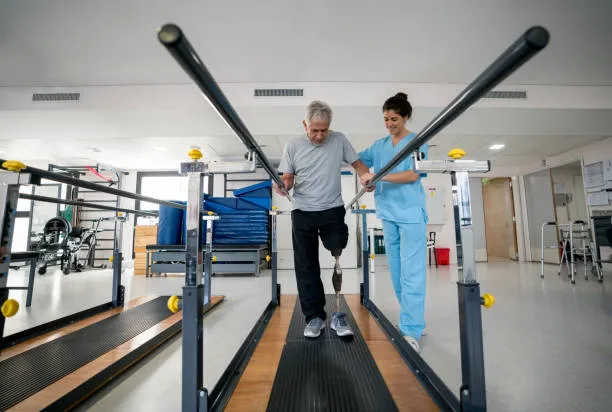
Rehabilitation programs help individuals adapt after limb loss through strength training, balance improvement, mobility exercises, and functional training for greater independence.
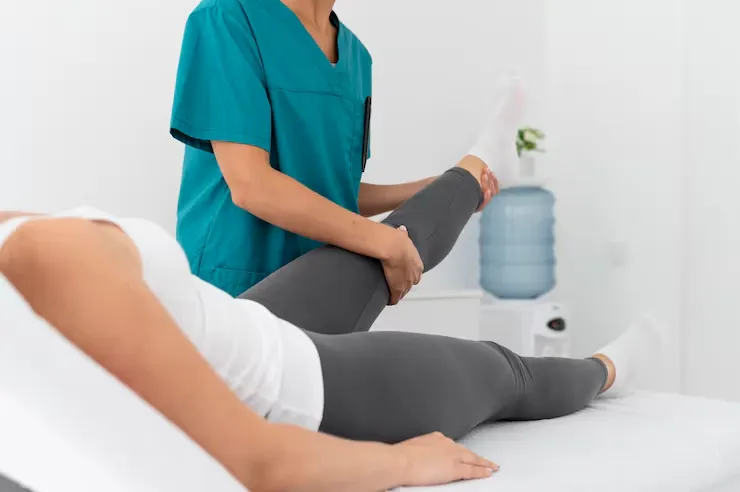
Focuses on reducing chronic pain and improving functional abilities.
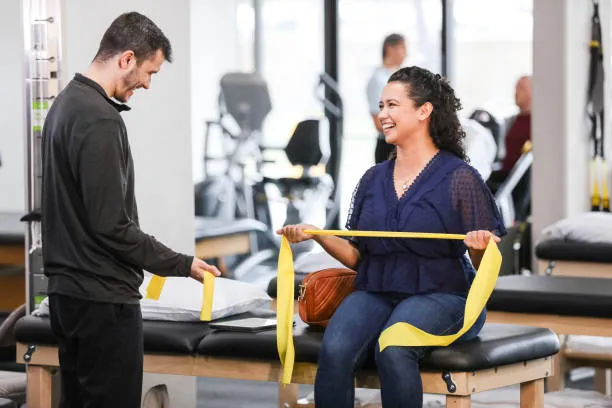
Encourages healthy movement patterns and prevents future physical limitations. These programs are developed after detailed assessment to ensure safe, progressive, and effective recovery.
Want to understand how rehabilitation can improve your daily life? Let’s explore the key advantages of physiotherapy.
Helps manage pain through targeted therapies and exercises.
Restores movement and flexibility after injuries or medical conditions.
Strengthening exercises improve muscle function and physical ability.
Helps patients recover effectively after surgery, injury, or illness.
Corrective exercises improve body mechanics and reduce injury risks.
Helps individuals perform daily activities with greater confidence.
Promotes better physical health and overall well-being.
Ready to improve your mobility and recovery? Get in touch with a physiotherapy expert and begin your personalized rehabilitation journey.
Seeking a reliable physiotherapy and rehabilitation centre in Bangalore? Let’s explore what makes I-AIM Healthcare Centre a preferred choice for personalized recovery and mobility care.
A team of skilled professionals provides personalized care based on each patient’s condition and recovery goals.
I-AIM combines physiotherapy techniques with its holistic healthcare expertise to support complete recovery and overall wellness.
As a trusted Ayurvedic Hospital in Bangalore, I-AIM focuses on improving physical health along with overall well-being through an integrated approach.
The centre offers a comfortable environment with modern equipment and therapies designed to support effective rehabilitation.
From post-surgical recovery and sports injuries to neurological and age-related mobility concerns, customized programs are available for diverse needs.
Trusted by patients worldwide, I-AIM has treated 5 lakh+ patients, provides care to 30,000+ patients annually, and serves individuals from 62+ countries.
A physiotherapy and rehabilitation center helps patients recover from injuries, surgeries, pain conditions, and mobility problems through personalized therapies.
People recovering from injuries, surgeries, chronic pain, neurological conditions, or mobility issues can benefit from physiotherapy.
Some exercises may cause mild discomfort, but therapy is designed according to the patient’s tolerance and condition.
Yes, post-surgical physiotherapy helps restore movement, strength, and function after procedures.
Physiotherapy focuses on improving physical function, while rehabilitation includes a broader recovery process involving multiple therapies.
Disclaimer: The information shared in this content is for educational purposes and not for promotional use.
“For one who desires longevity the teachings of Ayurveda, serve as the foundation and as a means for achieving the harmonious balance of health, wealth, and happiness by dharma.”
74/2, Jarakabande kaval, Yelahanka, Via Attur post, Bengaluru - 560064
Mon-Fri: 9am-5pm, Sat: 10am-4pm,
Sun: 10am-2pm
Home
About Us
Services
Facilities
Contact Us
2026 I-AIM Healthcare Centre. All rights Reserved | Read the I-AIM Healthcare Centre Payment Terms & Conditions, Privacy Policy, Refund & Cancellation Policy.
 Optimized by Seraphinite Accelerator