
Get Directions

 📞 Call Now
 Consult Doctors Online
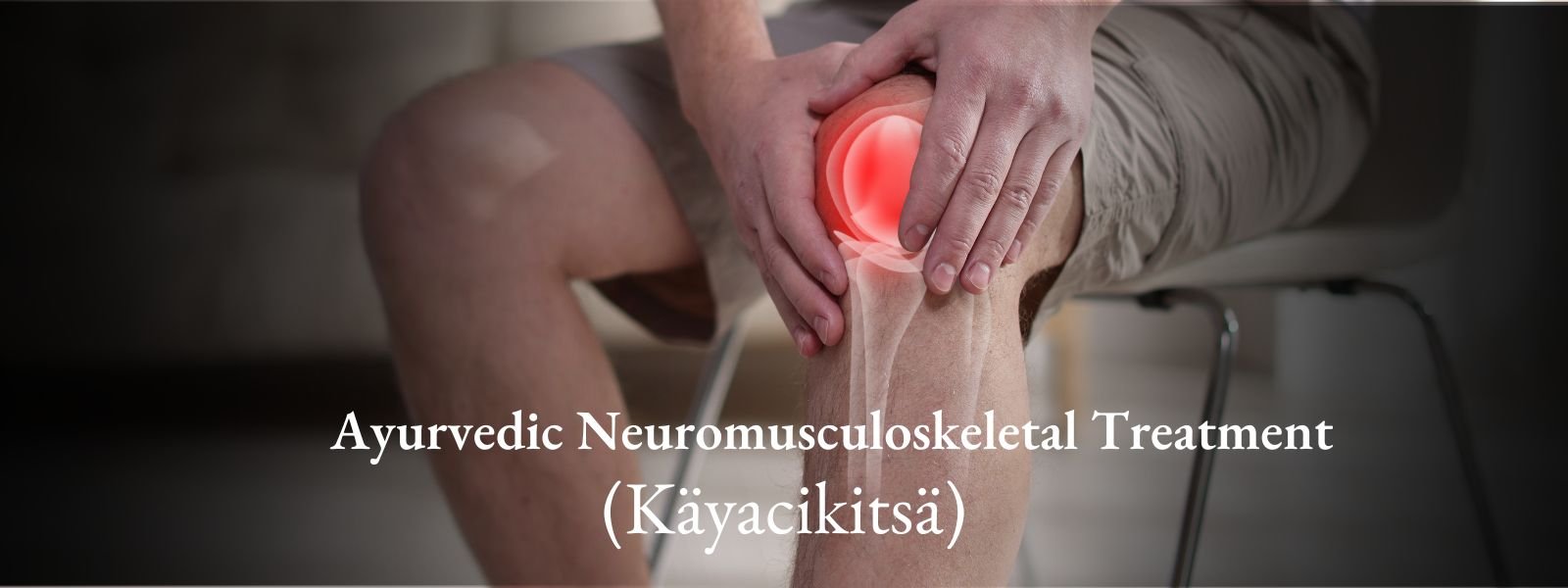
Stiff joints, aching muscles, and unpredictable nerve pain are no longer reserved for old age. Long desk hours, poor posture, and modern lifestyles have pushed conditions like osteoarthritis, sciatica, cervical spondylosis, and frozen shoulder into far younger populations. Left untreated, what begins as occasional stiffness can progress into chronic pain, restricted movement, and long-term dependence on painkillers.
At I-AIM Healthcare Center, we treat these conditions in depth through a dedicated Neuromusculoskeletal approach where classical Ayurveda meets modern rehabilitation science. As a NABH-accredited Ayurveda hospital in Bangalore, the centre brings together senior Vaidyas, physiotherapists, and Yoga therapists working as one coordinated team.
This integrated approach shapes I-AIM’s Ayurvedic treatment for joint, muscle & nerve disorders in Bangalore, built around three measurable outcomes: less pain, restored mobility, and lasting functional strength. Every plan is tailored to the patient’s Prakriti, condition severity, and lifestyle, drawing on authentic Panchakarma therapies, classical internal medicines, and supervised rehabilitation. The aim is not short-term relief but a body that moves freely and stays strong for the long haul.
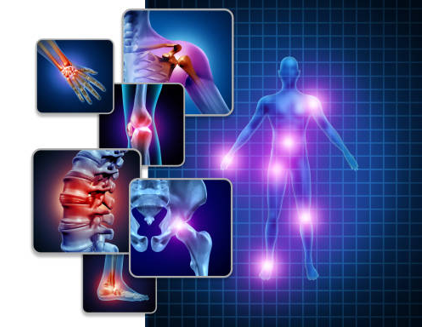
Neuromusculoskeletal disorders, or NMS, cover a wide range of conditions affecting joints, muscles, tendons, ligaments, and the nerves that supply them. These include arthritis, back and neck pain, slipped discs, frozen shoulder, sciatica, paralysis, and neuropathies. In Ayurveda, most of these conditions are driven by an aggravated Vata dosha, which governs movement, nerve signals, and joint lubrication.
When Vata is aggravated, it dries the joints, weakens muscle tone, and disturbs nerve conduction. The deeper tissues affected are Asthi (bone), Majja (marrow and nerves), Mamsa (muscle), and Snayu (ligaments and tendons). Treatment focuses on calming Vata first and rebuilding these tissues second.
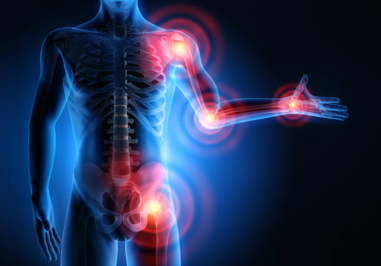
What to look out for? Let’s dive into the signs that matter most.
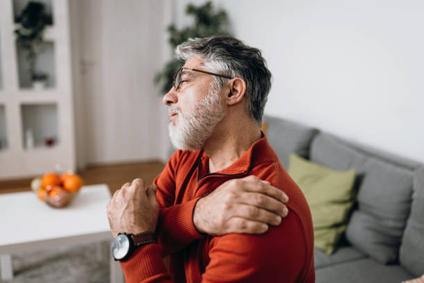
Early recognition can prevent a manageable condition from turning chronic. Patients usually approach I-AIM with one or more of the following:
Persistent joint pain: Particularly in the knees, hips, shoulders, and lower back.
Morning stiffness: Joints feel locked for the first hour after waking.
Muscle spasms and cramps: Sudden, painful contractions during activity or rest.
Tingling and numbness: Pins-and-needles sensations in the hands, feet, or along the spine.
Muscle weakness: Difficulty gripping objects, climbing stairs, or holding a posture.
Visible swelling: Inflammation, warmth, or redness around a joint.
Restricted movement: Trouble bending, twisting, lifting, walking, or rotating fully.
Radiating pain: Sharp shooting pain down the leg in sciatica or down the arm in cervical issues.
When symptoms persist for more than two to three weeks, structured Ayurvedic treatment for joint pain or related conditions should be considered before structural damage advances.
Where do these problems come from? Let’s discover the most common causes.
Joint, muscle, and nerve conditions rarely have a single cause. Most cases trace back to several factors layering on top of each other over the years:
Ageing: Natural wear on cartilage, discs, and nerves reduces cushioning and conduction over time.
Injury and overuse: Old sports injuries, falls, and repetitive strain at work leave lasting damage.
Sedentary work: Long sitting hours weaken core muscles and stiffen spinal joints.
Poor posture: Particularly in those working at screens, driving long hours, or using mobiles excessively.
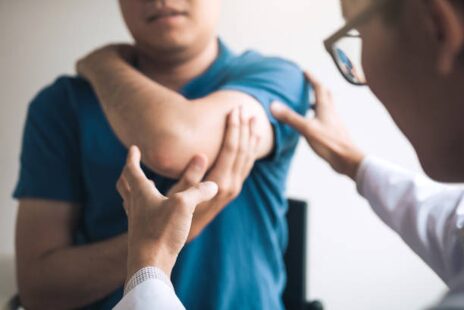
Inflammatory and autoimmune conditions: Rheumatoid arthritis, ankylosing spondylitis, and gout.
Metabolic factors: Diabetes, obesity, and thyroid imbalance contribute to nerve damage and joint strain.
Nutritional deficiencies: Low calcium, vitamin D, and B12 weaken bone and nerve health.
Chronic stress: Sustained mental tension tightens muscles and disturbs nerve function.
Vata aggravating habits: Cold food, irregular meals, inadequate sleep, and lack of body oiling, Poor postures, excessive exercises or no exercise, worsen joint dryness.
I-AIM’s diagnostic process traces every patient’s symptoms back to the dominant cause, since knee pain driven by inflammation needs a fundamentally different approach from one driven by cartilage degeneration.
How does Ayurveda actually treat these conditions? Let’s discuss the therapies that deliver results.
Ayurveda offers one of the most comprehensive treatment systems for musculoskeletal and neurological conditions. I-AIM delivers these therapies through supervised, structured protocols:
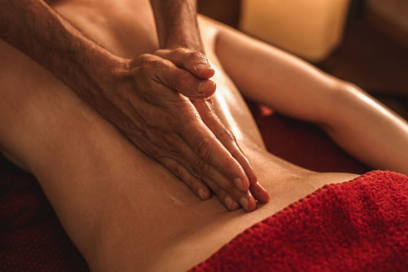
Whole-body warm oil massage that improves circulation, releases muscle tension, and calms Vata.
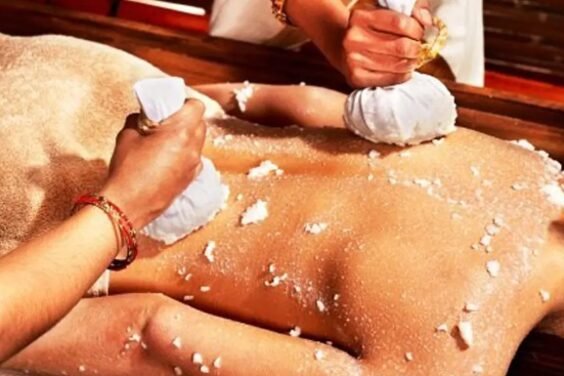
Heated herbal leaf poultices, particularly effective in ayurvedic treatment for knee pain, stiffness, and arthritic inflammation.
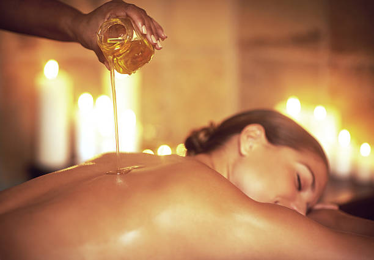
Continuous pouring of warm medicated oil across the body, used in advanced arthritis, neurological recovery, and chronic muscle weakness.
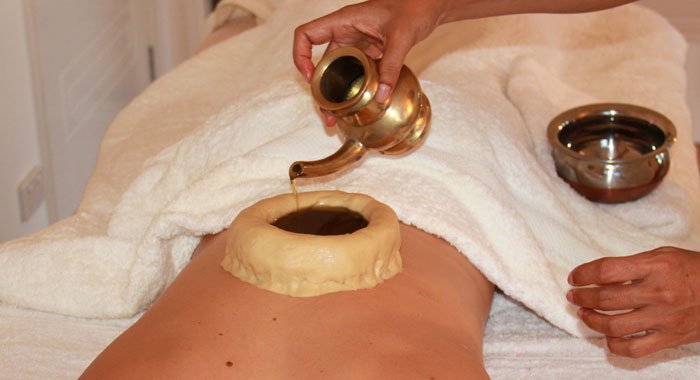
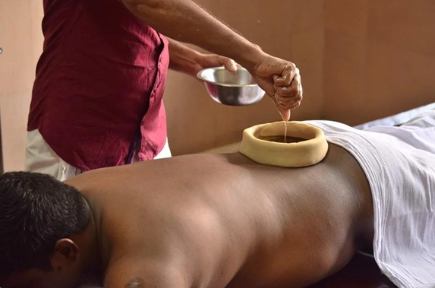
Localised oil-pooling therapies for the lower back, knee, and neck. Highly effective Ayurvedic treatment for hip pain, knee disorders, and cervical spondylosis.
Medicated enema therapy, considered the single most powerful Vata-pacifying treatment in classical Ayurveda.
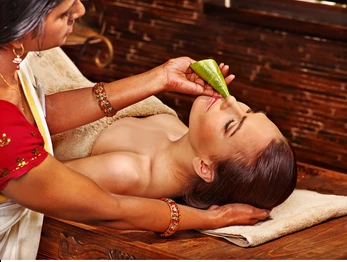
Nasal medication that benefits cervical spine issues, headaches, and nerves of the head and neck.
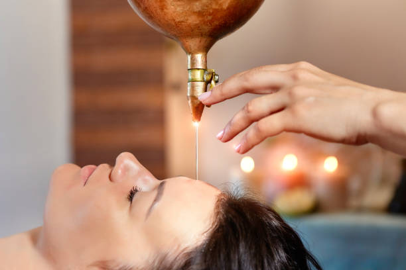
Calming oil flow over the forehead, valuable in stress-induced muscle tension and chronic pain syndromes.

Formulations such as Yogaraj Guggulu, Mahanarayan Taila, Dashamoolarishta, and Ashwagandha tailored to each case.
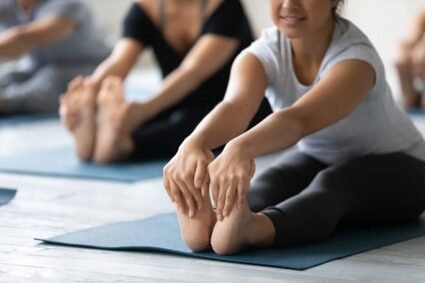
Movement therapy that protects and extends gains from passive treatments.
Many patients undergo a complete Panchakarma treatment in Bangalore at I-AIM for deeper, longer-lasting results.
Thinking about what you stand to gain? Let’s explore the advantages this approach delivers.
Ayurvedic care for NMS conditions delivers gains that reach far beyond temporary pain relief:
Lasting pain relief: Treats the source of discomfort rather than masking it.
Restored joint mobility: Rebuilds range of motion lost to stiffness or injury.
Stronger bone and muscle tissue: Nourishes Asthi and Mamsa dhatus from within.
Improved nerve function: Calms Vata-driven nerve irritability and weakness.

Reduced painkiller dependence: Lowers reliance on long-term NSAID and steroid use.
Faster post-injury recovery: Speeds up rehabilitation after fractures, surgeries, and strokes.
Better sleep and reduced fatigue: Chronic pain patients often regain restful sleep within weeks.
Drug-free and age-friendly: Safe across age groups when properly supervised.
The goal is functional independence. Patients arrive looking for pain control and leave with a body that moves better, sleeps better, and holds up under real life.
Weighing your options for NMS care? Let’s discuss what makes our Ayurvedic Hospital in Bangalore the ideal fit.
A full-time team focused exclusively on joint, muscle, and nerve conditions. Every protocol is shaped by years of specialised clinical experience.
Therapies like Basti, Pizhichil, and Pinda Sweda are delivered exactly as classical texts prescribe. No shortcuts on duration, oils, or technique.
X-rays, MRIs, and lab reports are reviewed alongside Ayurvedic assessment. This ensures every treatment is grounded in clinical evidence.
Medicines are prepared on-site from carefully sourced herbs and from GMP-certified pharmacies. Patients receive consistent quality and authentic formulations every time.
Structured 14 to 28-day inpatient stays for chronic and post-surgical cases. Daily supervised therapy accelerates recovery measurably.
Many patients steadily taper long-term NSAID and steroid use through structured Ayurvedic care. All medication changes happen under direct medical supervision.
Active collaborations with leading institutions and scientific bodies keep treatments updated. Care stays evidence-based and continuously refined.
A quiet North Bengaluru setting with lush greenery, a serene environment designed to support genuine recovery. The environment itself becomes part of the therapy.
Disclaimer: The information shared in this content is for educational purposes and not for promotional use.
“For one who desires longevity the teachings of Ayurveda, serve as the foundation and as a means for achieving the harmonious balance of health, wealth, and happiness by dharma.”
74/2, Jarakabande kaval, Yelahanka, Via Attur post, Bengaluru - 560064
Mon-Fri: 9am-5pm, Sat: 10am-4pm,
Sun: 10am-2pm
Home
About Us
Services
Facilities
Contact Us
2026 I-AIM Healthcare Centre. All rights Reserved | Read the I-AIM Healthcare Centre Payment Terms & Conditions, Privacy Policy, Refund & Cancellation Policy.
 Optimized by Seraphinite Accelerator